
Head Lice
Tiny parasitic insects causing scalp itching and discomfort. At Pinnacle Dermatology, our dermatologists offer effective treatment options to help you find relief.
Treatment availability varies by Pinnacle Dermatology location. Please contact your clinic to confirm.

Tiny parasitic insects causing scalp itching and discomfort. At Pinnacle Dermatology, our dermatologists offer effective treatment options to help you find relief.
Treatment availability varies by Pinnacle Dermatology location. Please contact your clinic to confirm.
What are Head Lice?
Head lice are tiny parasitic insects that take up residence on the scalp, where they feed on human blood. Their presence can lead to persistent itching and discomfort, making them a troublesome nuisance for affected individuals. At Pinnacle Dermatology, our dedicated dermatologists specialize in assisting patients dealing with head lice by offering a range of effective treatment options tailored to each individual's needs. Addressing head lice promptly is crucial to prevent their rapid spread within communities and minimize disruption to daily life. Our compassionate team at Pinnacle Dermatology is here to provide expert guidance on effective treatments for head lice, helping you find relief and regain confidence in your scalp health.
What are the Symptoms of Hair Lice?
Discovering head lice typically begins with intense itching.
You can identify tiny eggs resembling dandruff flakes in the hair before the onset of itching.
To spot live eggs, closely examine the base of the hair, near the scalp, preferably under strong lighting conditions.
Further signs may manifest as small, red bumps on the scalp, neck, or shoulders.
Bumps may evolve into scaly patches or begin oozing.
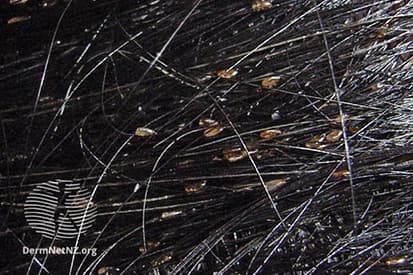
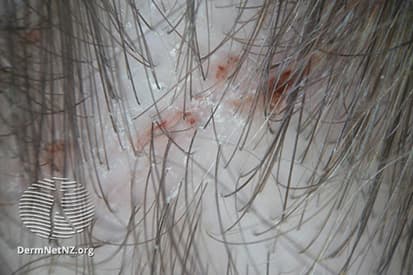
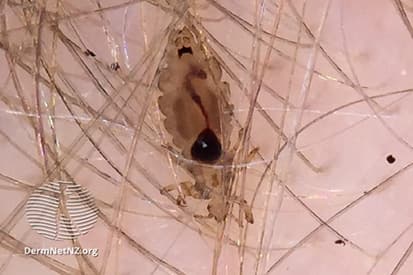
Examples of Head Lice
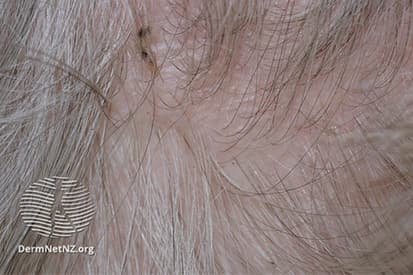
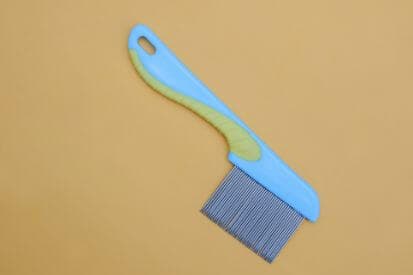
Causes of Hair Lice
Head lice is primarily transmitted from one person to another through direct physical contact.
This easily transmissible infestation often occurs in close-knit environments, such as schools or households.
The common mode of transmission involves lice crawling from the hair of an infected person to the hair of someone in close proximity.
How to Prevent Hair Lice
Preventing the spread of head lice involves adopting proactive measures to minimize the risk of infestation. Here are some effective strategies to help prevent hair lice:
Avoid direct head-to-head contact.
Do not share personal items such as combs, brushes, hats, scarves, headphones, or other items that come in contact with hair.
Regularly clean personal items that come in contact with hair, especially if they are shared.
Keep hair tied up or styled in a way that minimizes direct hair-to-hair contact.
Periodically check for signs of lice, such as itching, red bumps, or the presence of lice or eggs in the hair.
Limit sharing personal items in communal spaces like schools or daycare centers.
Teach proper hygiene.
Stay informed about potential lice outbreaks in your community, especially if you have children in school.
How to Treat Hair Lice
Your dermatologists can assist with head lice by providing guidance on effective treatments and helping manage potential complications. In some cases, prescription medications may be necessary. Additionally, dermatologists can provide support and address any skin-related issues that may arise due to scratching or irritation caused by head lice.
Head Lice FAQs

How Pinnacle Dermatology Can Help
If you’re experiencing a skin concern, a consultation with one of our providers is a great first step. Our team will assess your skin condition, discuss what may be causing your symptoms, and help you feel informed and confident about your path to healthier skin.