
Athlete's Foot
Expert care for tinea pedis at Pinnacle Dermatology. We help diagnose and treat fungal foot infections with personalized treatment plans.
Treatment availability varies by Pinnacle Dermatology location. Please contact your clinic to confirm.
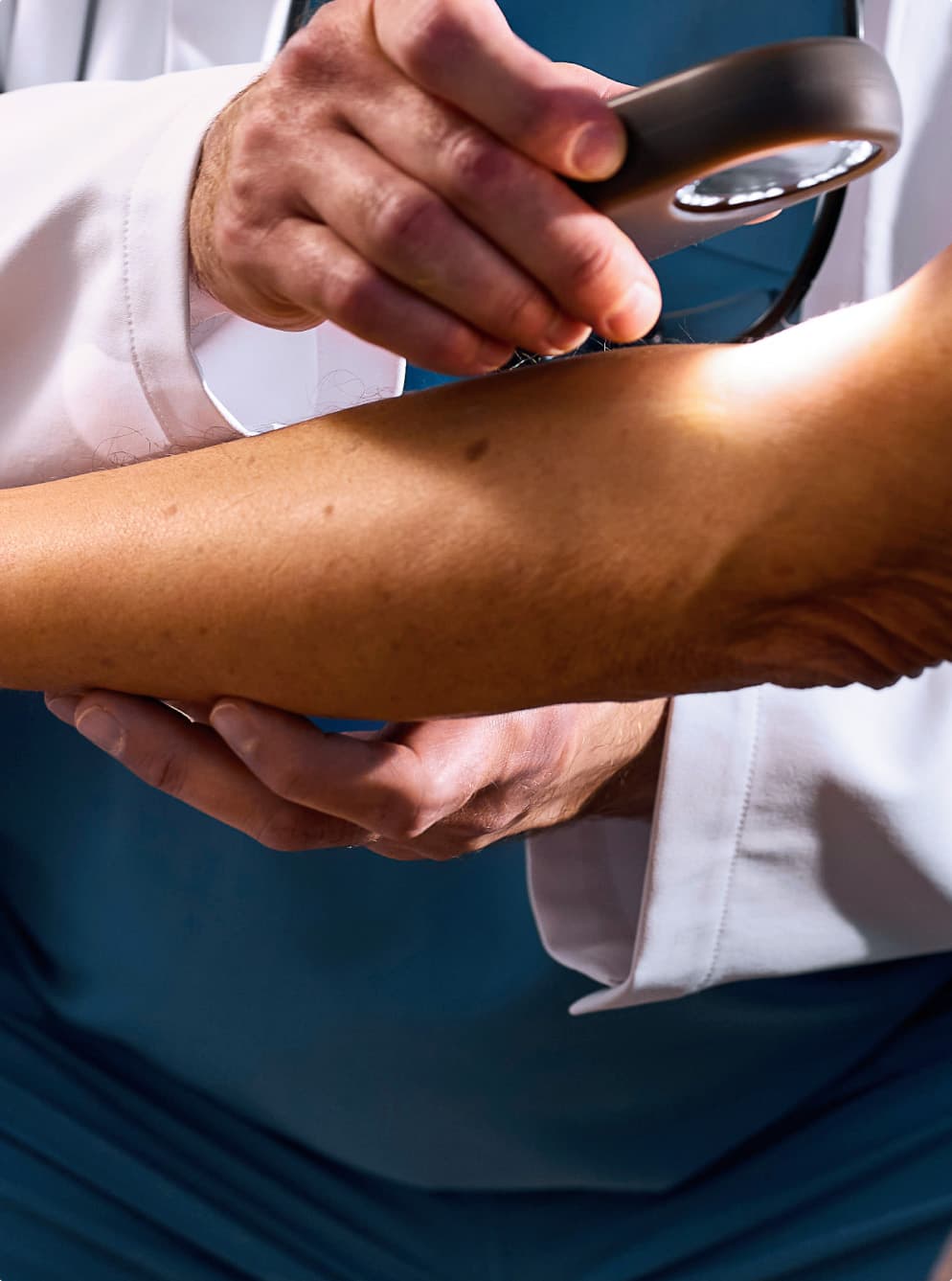

Expert care for tinea pedis at Pinnacle Dermatology. We help diagnose and treat fungal foot infections with personalized treatment plans.
Treatment availability varies by Pinnacle Dermatology location. Please contact your clinic to confirm.
What is Athlete's Foot?
Athlete's Foot, scientifically known as tinea pedis, is a prevalent fungal infection primarily affecting the skin of the feet. This condition is caused by various fungi, including Trichophyton, Epidermophyton, and Microsporum. These fungi flourish in warm, moist environments, making the feet particularly susceptible to infection. Recognizing the symptoms and seeking professional medical advice for athlete's foot is crucial for accurate diagnosis and effective treatment. Pinnacle Dermatology offers expert care, with dermatologists who provide personalized treatment plans to address your unique concerns and ensure optimal foot health. Learn more about Athlete’s Foot below and schedule your appointment with the closest Pinnacle Dermatology location near you.
Symptoms of Athlete's Foot
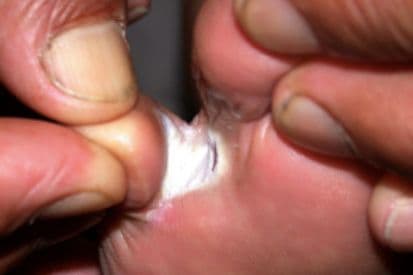
Itching, stinging, and burning sensations, particularly between the toes and on the soles of the feet.
Blisters on the feet, contributing to heightened discomfort and a potential source of infection.
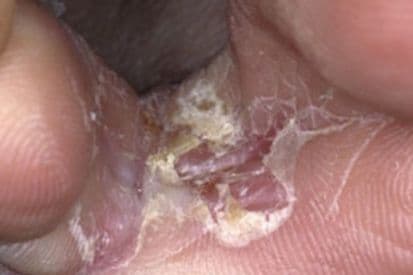
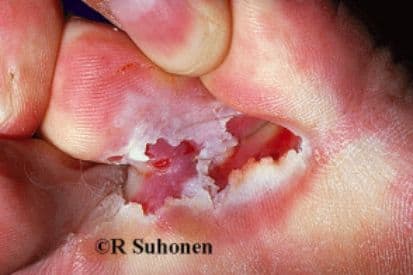
Cracking and peeling of skin.
Infected nails may exhibit discoloration, often appearing thickened and crumbly.
As the infection progresses, individuals may also experience a foul odor emanating from the affected feet.
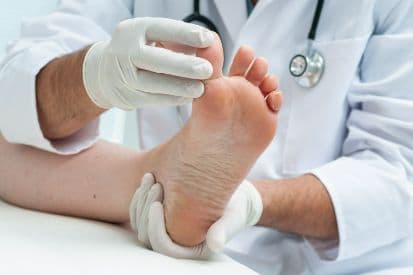
Examples of Athlete's Foot
Causes of Athlete's Foot
Athlete's Foot is primarily caused by fungal infections.
These fungi thrive in warm, damp environments like locker rooms, communal showers, and swimming pool areas.
Highly contagious and spreads through direct contact with contaminated surfaces or by coming into contact with the skin of an infected person.
Tight-fitting, non-breathable footwear, and damp socks create an ideal environment for fungal growth.
Compromised immune systems, excessive sweating, and minor skin injuries increase susceptibility to the infection.
Walking barefoot in public spaces where the fungus is present.
Anyone, regardless of activity level, can be affected.
How to Prevent Athlete's Foot
Practicing good foot hygiene, keeping feet dry, and avoiding prolonged exposure to moist environments are crucial preventive measures.
Wash feet daily with soap and water, ensuring thorough drying, especially between toes.
Use moisture-wicking socks made of breathable materials like cotton; change them regularly, especially if damp.
Choose well-ventilated shoes to allow feet to breathe and reduce fungal growth.
Avoid walking barefoot in public areas, especially in places like locker rooms, communal showers, and swimming pool decks.
Consider wearing flip-flops or shower shoes in public facilities to protect against direct contact with contaminated surfaces.
Rotate shoes to allow for adequate air circulation and consider using antifungal powder or spray inside footwear.
Refrain from sharing personal items like socks, shoes, and towels to prevent the spread of infection.
Keep toenails trimmed and clean to reduce spaces for fungal growth.
Use moisture-wicking insoles or antiperspirant powders if prone to excessive sweating.
Regularly inspect feet for redness, itching, or unusual changes; seek prompt medical attention if Athlete's Foot is suspected.
How to Treat Athlete's Foot
In some cases, Athlete's Foot can be treated with over-the-counter antifungal creams, ointments, or sprays containing active ingredients like terbinafine, clotrimazole, or miconazole.
However, it is recommended you consult a dermatologist. They can create a thorough evaluation and personalized treatment plan that may include stronger topical or oral antifungal medications. It is best to avoid irritants and keep your feet dry to limit the spread of infection.
Athlete's Foot FAQs

How Pinnacle Dermatology Can Help
If you’re experiencing a skin concern, a consultation with one of our providers is a great first step. Our team will assess your skin condition, discuss what may be causing your symptoms, and help you feel informed and confident about your path to healthier skin.