
Psoriasis
Psoriasis causes skin cells to build up rapidly, forming scales and red patches. At Pinnacle Dermatology, our experts provide personalized treatment to help you find relief.
Treatment availability varies by Pinnacle Dermatology location. Please contact your clinic to confirm.

Psoriasis causes skin cells to build up rapidly, forming scales and red patches. At Pinnacle Dermatology, our experts provide personalized treatment to help you find relief.
Treatment availability varies by Pinnacle Dermatology location. Please contact your clinic to confirm.
What is Psoriasis?
Psoriasis is a non-contagious skin condition caused by an abnormality in the immune system, leading to the increased production of new skin cells. As the skin fails to shed old cells quickly enough, these dead cells accumulate on the skin’s surface.
Psoriasis manifests in various forms, including:
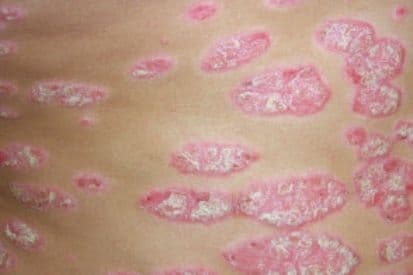
Plaque Psoriasis: The most common type, presenting as red and pink patches with silvery scales. Classic areas affected include the scalp, elbows, knees, hands, and feet, but it can appear anywhere on the skin and even affect the nails.
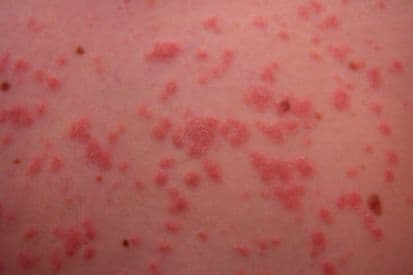
Guttate Psoriasis: Often diagnosed in children but can also affect adults. This type sometimes follows a cold or flu-like illness, such as strep throat, and appears as small, drop-like lesions.
Pustular Psoriasis: Characterized by blistered, pus-filled lesions surrounded by reddened skin. It can appear anywhere on the body, but the hands and feet are commonly affected.
Inverse Psoriasis: Occurs in skin folds, such as the armpits and groin, and appears as smooth, inflamed red patches.
Psoriasis affects 4.5 million Americans annually and is slightly more common in women. At Pinnacle Dermatology, we offer a variety of treatment options to help you manage psoriasis effectively. For personalized care and advanced treatments for psoriasis, schedule an appointment with Pinnacle Dermatology today.
What are the Symptoms of Psoriasis?
Red, inflamed skin.
Silvery-white scales.
Itching or burning sensation.
Dry, cracked skin.
Thickened or pitted nails.
Joint pain and swelling in some cases.
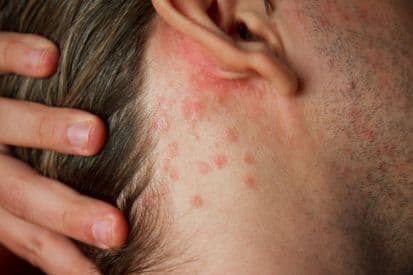
Examples of Psoriasis
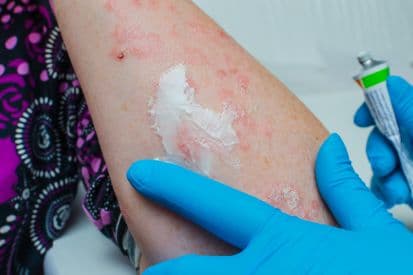
What Causes Psoriasis?
Genetic factors: Psoriasis often runs in families, suggesting a genetic predisposition to the condition.
Immune system dysfunction: Abnormalities in the immune system can lead to an overactive response, triggering rapid skin cell growth.
Other health conditions: Psoriasis is associated with an increased risk of other health issues such as cardiovascular disease, diabetes, and certain autoimmune disorders.
How to Prevent Psoriasis
To prevent psoriasis, consulting with one of our dermatologists is crucial for personalized guidance. Dermatologists can help identify triggers, recommend suitable skincare routines, and provide insights into lifestyle adjustments that may minimize the risk of flare-ups. Your healthy skin is our top priority.
Psoriasis Treatments
For patients with mild psoriasis, topical steroids are often prescribed. Other treatments that may be considered by your dermatology provider include but are not limited to:
Oral and injectable medications that affect the immune system to control the psoriasis.
Tight therapy treatment.
Laser treatment and more.
For more severe cases, systemic treatments like oral medications or biologics may be recommended to target the underlying immune response. Our dermatologists tailor treatment plans to individual needs, emphasizing a balance between managing symptoms and minimizing potential side effects. Regular monitoring and follow-ups with our team of skin experts are crucial for effective psoriasis management and to develop a health skin routine for years to come.
Psoriasis FAQs

How Pinnacle Dermatology Can Help
If you’re experiencing a skin concern, a consultation with one of our providers is a great first step. Our team will assess your skin condition, discuss what may be causing your symptoms, and help you feel informed and confident about your path to healthier skin.