
Rosacea
Rosacea causes persistent facial redness and visible blood vessels. The experts at Pinnacle Dermatology can help diagnose and treat your symptoms effectively.
Treatment availability varies by Pinnacle Dermatology location. Please contact your clinic to confirm.
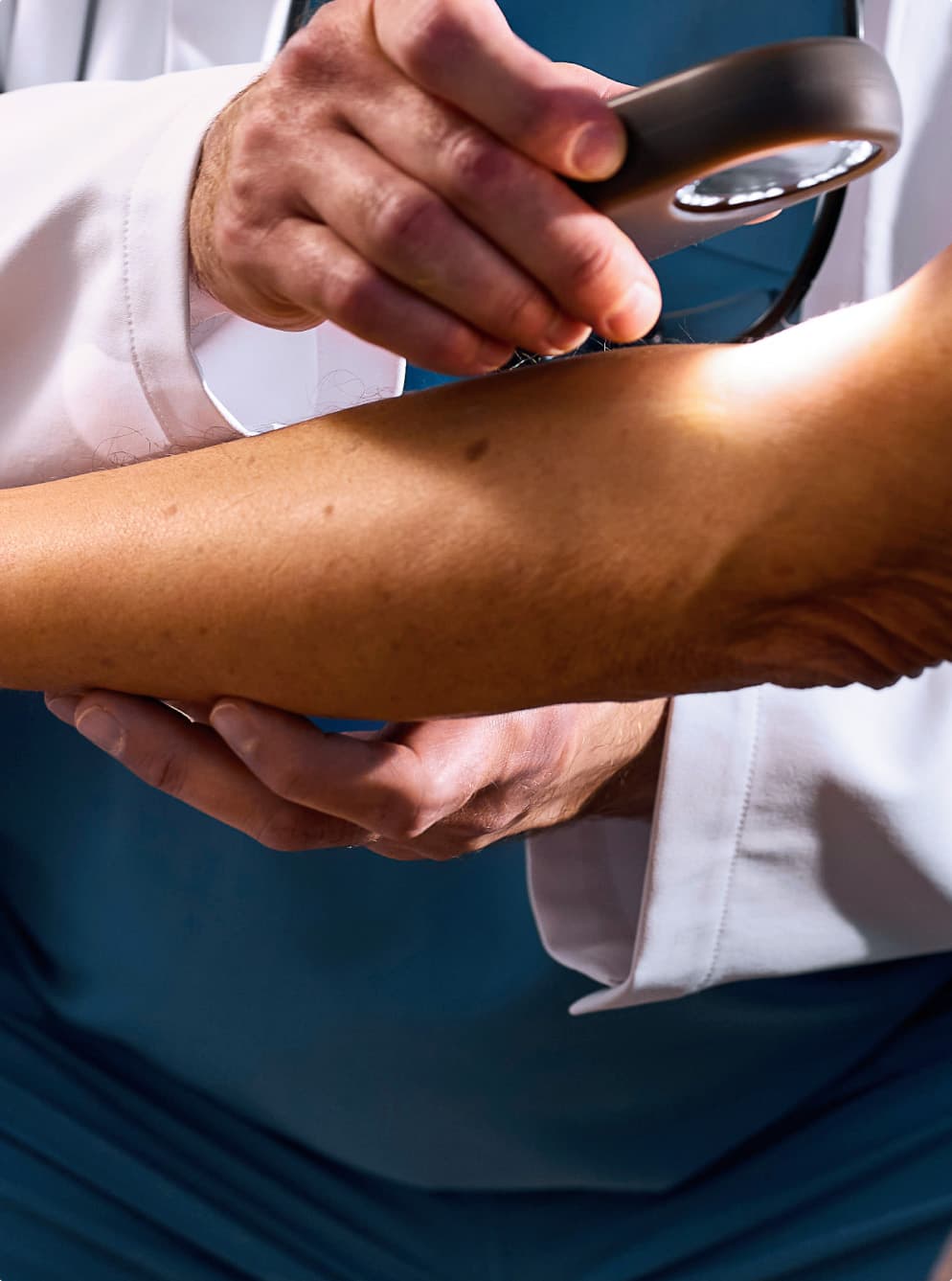

Rosacea causes persistent facial redness and visible blood vessels. The experts at Pinnacle Dermatology can help diagnose and treat your symptoms effectively.
Treatment availability varies by Pinnacle Dermatology location. Please contact your clinic to confirm.
What is Rosacea?
Rosacea is a common chronic skin condition that causes persistent flushing or redness on the face. It can also lead to visible or enlarged blood vessels and small, pus-filled bumps that may be mistaken for acne, dermatitis, or another skin concern.
Because rosacea can affect comfort, confidence, and daily life, an accurate diagnosis is important. If you experience persistent symptoms on your face or eyes, the experts at Pinnacle Dermatology can help identify triggers and build an effective treatment plan.
What are the Symptoms of Rosacea?
Rosacea symptoms can vary, but they often appear on the cheeks, nose, chin, or forehead and may flare in response to certain triggers.
Common symptoms include:
Persistent facial redness or flushing
Acne-like bumps or pustules
Visible facial blood vessels
Swollen or thickened skin, sometimes around the nose
Burning, stinging, or sensitive skin
Eye irritation, dryness, or redness
Examples of Rosacea
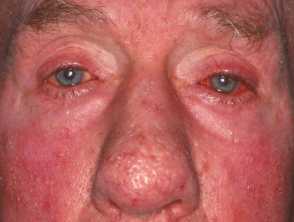
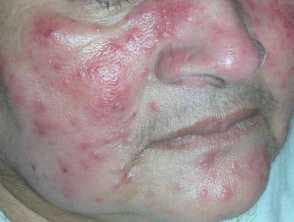
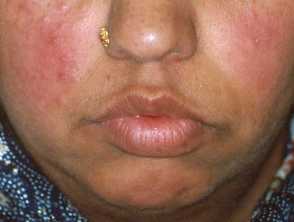
Causes of Rosacea
The exact cause of rosacea is not fully understood, but research suggests a combination of genetic, environmental, immune, and vascular factors. Many people have sensitive facial blood vessels that react strongly to everyday triggers.
Possible contributors include:
Family history or genetic tendency
Abnormalities in facial blood vessels
Inflammation or immune system response
Reaction to microscopic mites commonly found on facial skin
Environmental triggers such as sun, heat, spicy foods, alcohol, or stress
How to Help Prevent Rosacea Flare-Ups
There is no guaranteed way to prevent rosacea, but identifying triggers and protecting the skin can reduce flare-ups and help symptoms feel more manageable.
Helpful habits include:
Use a broad-spectrum SPF 30+ sunscreen every day
Choose mild, fragrance-free cleansers and moisturizers
Avoid harsh exfoliants, abrasive scrubs, and irritating treatments
Protect your face from extreme heat, cold, and wind
Track foods, drinks, stress, and products that seem to trigger symptoms
See a dermatologist for persistent redness, flushing, or bumps
How to Treat Rosacea
Rosacea treatment focuses on calming inflammation, reducing redness, and minimizing flare-ups. At Pinnacle Dermatology, your dermatologist may recommend a combination of trigger management, gentle skin care, daily sun protection, and prescription topical or oral medications based on your symptoms.
For persistent redness, visible vessels, or texture changes, treatment may also include in-office options such as laser or light-based therapy when appropriate.
Schedule your appointment with Pinnacle Dermatology today to begin a personalized rosacea treatment plan.
Rosacea FAQs

How Pinnacle Dermatology Can Help
If you’re experiencing a skin concern, a consultation with one of our providers is a great first step. Our team will assess your skin condition, discuss what may be causing your symptoms, and help you feel informed and confident about your path to healthier skin.


