
Skin Tags
Expert skin tag removal at Pinnacle Dermatology — safe, effective treatment for benign growths causing discomfort on the neck, armpits, eyelids, and more.
Treatment availability varies by Pinnacle Dermatology location. Please contact your clinic to confirm.
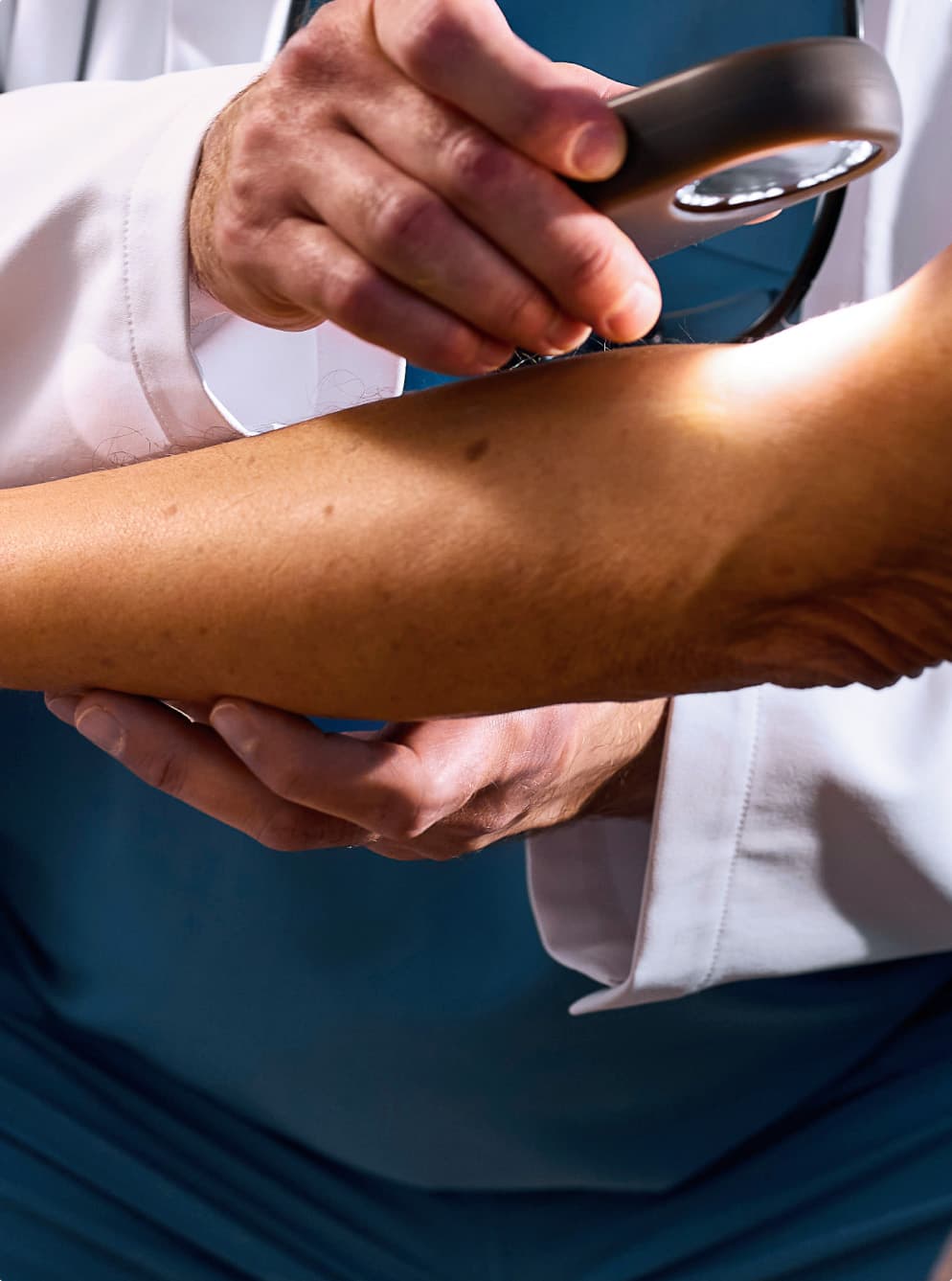

Expert skin tag removal at Pinnacle Dermatology — safe, effective treatment for benign growths causing discomfort on the neck, armpits, eyelids, and more.
Treatment availability varies by Pinnacle Dermatology location. Please contact your clinic to confirm.
What are Skin Tags?
Skin tags are small, benign growths that commonly appear on areas such as the neck, armpits, eyelids, and under the breasts. These soft, flesh-colored lesions are typically painless, but they can cause discomfort when they rub against clothing or jewelry. In some cases, skin tags may also become irritated or inflamed, leading to additional concerns. At Pinnacle Dermatology, our skilled dermatologists specialize in the effective management and removal of skin tags. We offer personalized treatment options tailored to your needs, ensuring safe and efficient removal through methods such as cryotherapy, excision, or cauterization. Our goal is to enhance your skin's appearance and provide relief from any discomfort. If you're seeking expert solutions for skin tag removal, contact Pinnacle Dermatology's specialists today. The health and beauty of your skin are our top priorities. Schedule your consultation now to achieve smoother, clearer skin and regain your confidence.
What are the Symptoms of Skin Tags?
Small, soft, flesh-colored, or slightly darker growths that hang off the skin by a thin stalk.
Most skin tags are painless and don't cause any symptoms.
Examples of Skin Tags
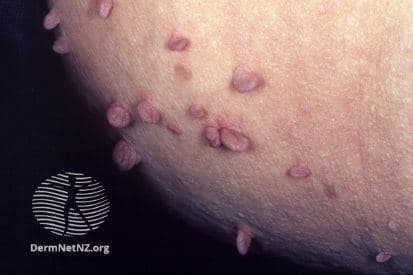
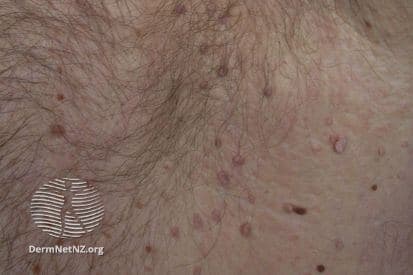
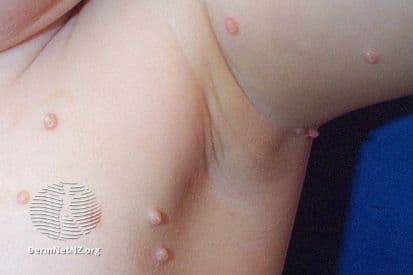

Causes of Skin Tags
Skin-to-skin or skin-to-clothing friction.
More prevalent in middle-aged and older individuals but can occur at any age.
There may be a genetic predisposition to developing skin tags.
Excess body weight can contribute to the development of skin tags, especially in areas where skin rubs against itself.
Fluctuations in hormones, such as during pregnancy or in individuals with conditions like diabetes.
How to Prevent Skin Tags
Preventing skin tags involves adopting practices to minimize contributing factors associated with their development. Maintaining a healthy weight through a balanced diet and regular exercise can reduce the likelihood of skin tags, as obesity is a known risk factor. To prevent friction, especially in areas prone to skin tags, opt for loose-fitting clothing and be mindful of accessories that may cause rubbing or irritation. Good hygiene practices, including keeping the skin clean and dry, can also contribute to preventing skin tags by minimizing irritation. Regular skin checks are recommended to identify and address any new growths or changes promptly, facilitating effective management. It's important to note that skin tags are easily removable if desired.
How to Treat Skin Tags
Dermatologists treat skin tags through various methods, depending on the size, location, and patient preference. Common approaches include:
Excision: Dermatologists may cut off skin tags using surgical scissors or a scalpel after numbing the area with a local anesthetic.
Cauterization: This involves burning off the skin tag using electrical current (electrosurgery) or a high-frequency laser.
Cryotherapy: Freezing the skin tag with liquid nitrogen, causing it to fall off over time.
If you’d like to explore the removal of your skin tags, schedule an appointment with one of our providers today.