
Pediatric Dermatology
Expert pediatric skin care for infants, children, and adolescents. Pinnacle Dermatology providers treat childhood skin conditions with gentle, specialized care.
Treatment availability varies by Pinnacle Dermatology location. Please contact your clinic to confirm.
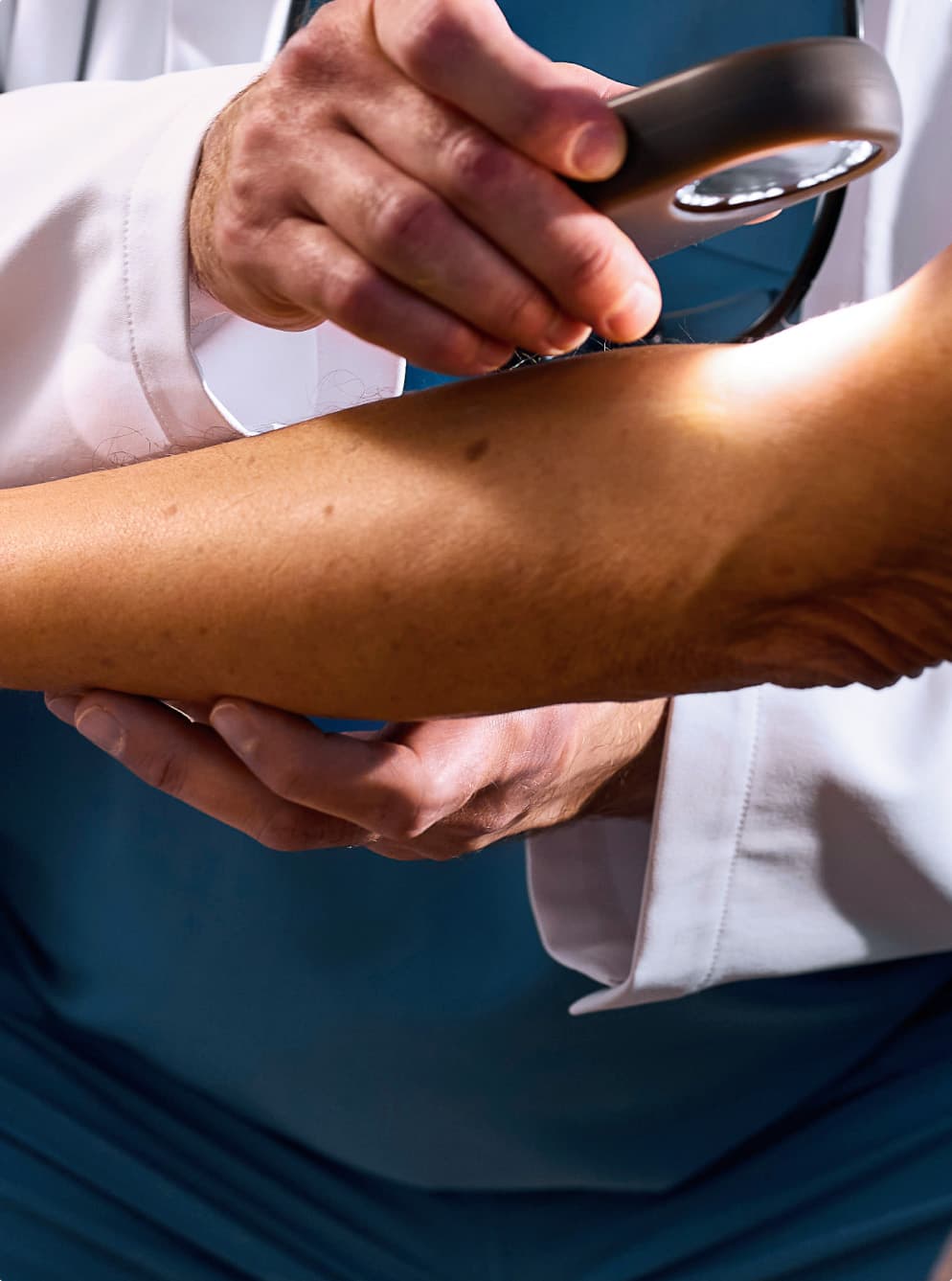

Expert pediatric skin care for infants, children, and adolescents. Pinnacle Dermatology providers treat childhood skin conditions with gentle, specialized care.
Treatment availability varies by Pinnacle Dermatology location. Please contact your clinic to confirm.
The field of pediatric dermatology focuses on comprehensively diagnosing and treating ailments of the skin that are unique to infants, children, and adolescents. There are many skin conditions that are shared by both children and adults, but there are certain skin problems that are more common among younger patients. These conditions require special care that is delivered with the special needs of growing children in mind. Younger patients often face a higher risk of bacterial skin infections, as well a variety of other acquired and hereditary conditions. At Pinnacle Dermatology, our providers treat pediatric skin conditions. Our team of experienced board-certified providers work to ensure that both child and parent have a comfortable, stress-free experience. We teach parents about their child’s skin issues to ensure that the child gets proper treatment and care at home. This helps to ensure that children will have healthy skin as they mature.
Examples of Pediatric Dermatology
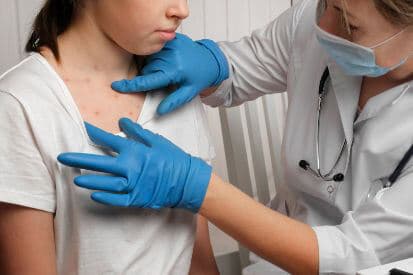
Pediatric Skin Conditions Symptoms
Rashes: Various types of rashes, such as eczema, contact dermatitis, or viral rashes.
Itching or Pruritus: Persistent itching.
Redness or Inflammation: Due to irritants, infections, or inflammatory skin conditions.
Bumps or Lesions: May be indicative of warts, molluscum contagiosum, or other skin infections.
Dry or Flaky Skin: Conditions like eczema can cause dry and flaky skin.
Birthmarks: Birthmarks can be either pigmented or vascular, and may require evaluation.
Acne or Pimples: Older children and teenagers may experience acne.
Infections: Bacterial, viral, or fungal infections can manifest as redness, itching, or pustules on the skin.
Hair and Nail Changes: Abnormalities in the hair or nails, such as thinning, brittleness, or color changes.
Allergic Reactions: Skin may react to allergens, leading to hives, and swelling.
Skin Discoloration: Changes in skin color, such as paleness, redness, or darkening.
Causes of Pediatric Skin Conditions
Genetics: Some pediatric skin conditions may have a genetic component.
Infections: Bacterial, viral, or fungal infections.
Allergies: Allergic reactions to certain foods, plants, animals, or environmental factors.
Environmental Factors: Exposure to harsh weather conditions, pollutants, or irritating substances.
Insect Bites: Reactions to insect bites or stings can cause localized skin problems.
Autoimmune Disorders: Lupus or juvenile dermatomyositis.
Hormonal Changes: Puberty-related hormonal changes.
Birthmarks: Caused by abnormal blood vessels or pigment cells.
Contact Irritants: Exposure to harsh soaps, detergents, or chemicals.
Nutritional Deficiencies: Inadequate nutrition can impact a child's skin health.
Stress: Emotional stress or changes in routine.
Scratching or Rubbing: Persistent scratching or rubbing of the skin.
Medications: May cause skin reactions or photosensitivity.
Pediatric Skin Conditions Prevention
To prevent pediatric skin conditions, establish a gentle skincare routine using mild soaps and moisturizers. Dress your child in comfortable, breathable clothing and apply sunscreen with at least SPF 30 when outdoors. Discourage scratching to avoid skin irritation and infections. Regularly check for changes in their skin, and consult a trusted dermatology provider for any concerns.
Pediatric Dermatology FAQs
How to Treat Pediatric Skin Conditions
If your child has a skin condition, it's important to consult with a trusted dermatologist for personalized advice. Treatment may involve gentle cleansers and moisturizers to keep the skin hydrated. For specific conditions like eczema, prescribed creams or ointments can help manage inflammation and itching. If an infection is present, antibiotics or antifungal medications may be recommended. Avoiding triggers, such as certain allergens or irritants, is crucial. Follow the recommended treatment plan closely and attend follow-up appointments to monitor progress.