
Basal Cell Carcinoma
Expert care for the most common skin cancer. At Pinnacle Dermatology, we provide early detection and personalized treatment for basal cell carcinoma.
Treatment availability varies by Pinnacle Dermatology location. Please contact your clinic to confirm.
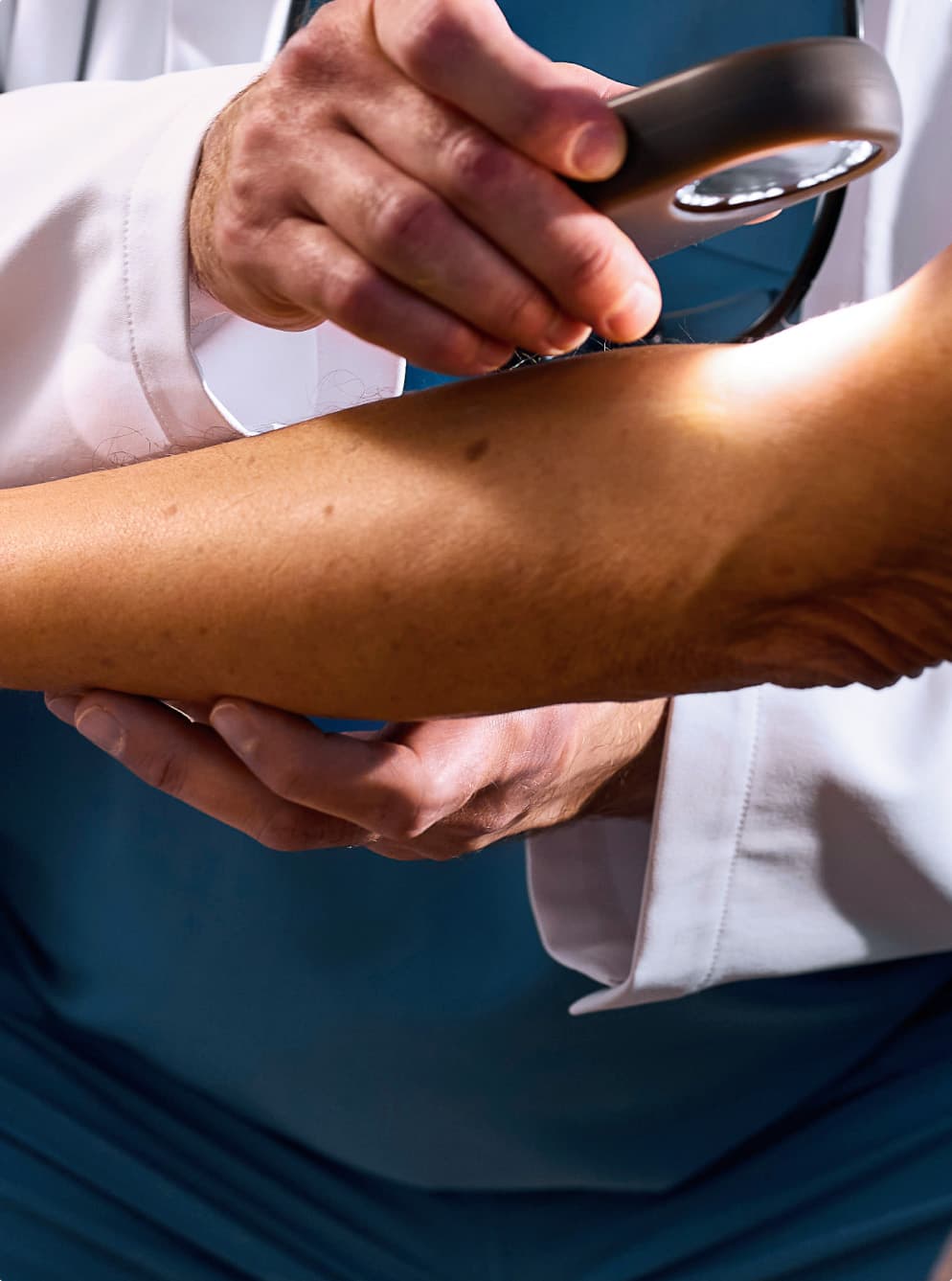

Expert care for the most common skin cancer. At Pinnacle Dermatology, we provide early detection and personalized treatment for basal cell carcinoma.
Treatment availability varies by Pinnacle Dermatology location. Please contact your clinic to confirm.
What is Basal Cell Carcinoma?
Basal cell carcinoma (BCC) is the most common form of skin cancer, often developing quietly over time and frequently going unnoticed in its early stages. Each year, nearly three million people are diagnosed with BCC. Though BCC grows slowly, it can cause significant damage if left untreated. That’s why expert evaluation and timely care are so important.
At Pinnacle Dermatology, we specialize in the early detection, diagnosis, and treatment of skin cancers like basal cell carcinoma. With a commitment to personalized care and advanced dermatologic expertise, our team is here to help you navigate every step with confidence and clarity.
Symptoms of Basal Cell Carcinoma
Basal cell carcinoma (BCC) is the most common form of skin cancer and often develops in areas of the body that are frequently exposed to the sun. Basal cell carcinoma on the face is particularly common. Other frequent sites include the neck, scalp, and arms. Early-stage basal cell carcinoma can be subtle and may resemble non-threatening skin conditions.
BCC typically presents as slow-growing lesions that rarely cause pain but may become problematic over time if untreated. These lesions may look like shiny, pearly bumps, open sores that don't heal, or flat, scar-like areas. It's essential to consult a dermatologist if you notice any persistent or changing spots on your skin.
Common signs and symptoms of BCC include:
A pearly or waxy bump, often with visible blood vessels
A flat, flesh-colored, or brown scar-like lesion
An open sore that bleeds, oozes, or crusts and remains open for weeks
A pink growth with a slightly raised, rolled border and a crusted indentation in the center
A red patch that may itch or hurt
Lesions developing on sun-exposed areas like the face, ears, neck, scalp, shoulders, and back
Examples of Basal Cell Carcinoma
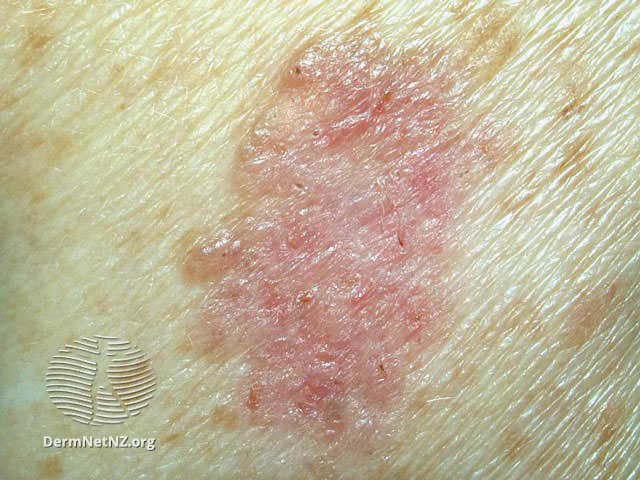
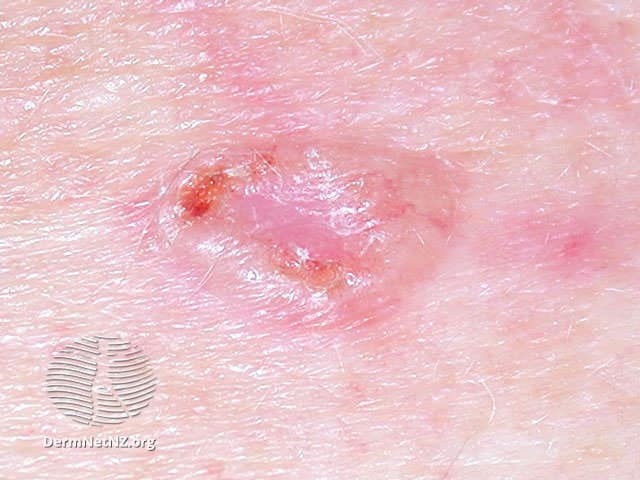

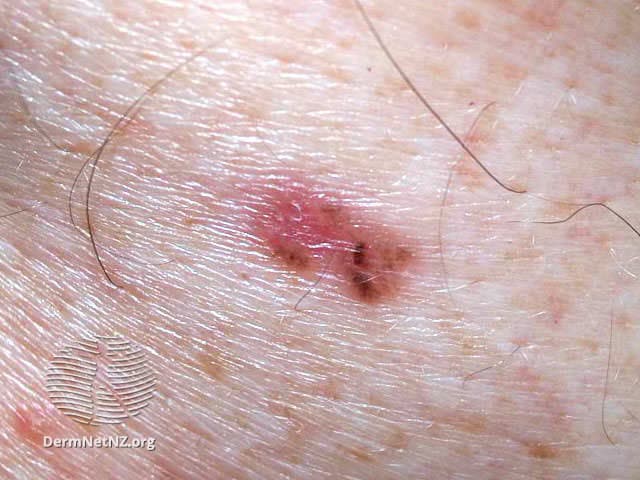
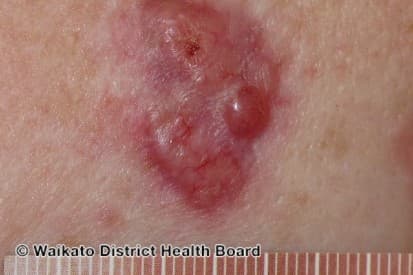
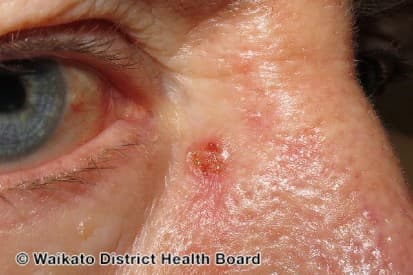
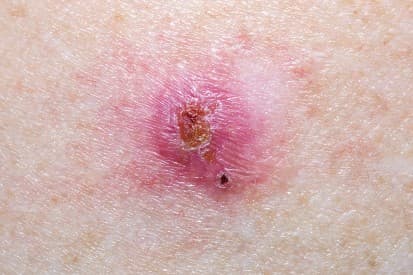
Causes of Basal Cell Carcinoma
The primary cause of BCC is prolonged exposure to ultraviolet (UV) radiation from the sun or tanning beds. Those over the age of 40 are also more susceptible to BCC. While anyone can develop it, certain risk factors increase the likelihood, including genetics and skin type.
Common causes of BCC include:
Chronic sun exposure, especially as a child, without protection
Use of tanning beds
Fair skin, light eyes, and blond or red hair
A history of severe sunburns, especially in childhood
A family history of skin cancer
Genetic conditions, such as basal cell nevus syndrome
A weakened immune system due to illness or medication
Preventing Basal Cell Carcinoma
While basal cell cancer is most often caused by cumulative sun exposure, many cases can be prevented or caught early with the right habits. Practicing sun protection year-round and regular skin checks can help reduce risk. Understanding what BCC looks like, especially in the early stages, is critical for catching it before it becomes severe.
Common preventative measures include:
Using a broad-spectrum sunscreen with SPF 30 or higher daily, even on cloudy days
Avoiding sun exposure during peak hours (10 AM - 4 PM)
Wearing protective clothing, wide-brimmed hats, and UV-blocking sunglasses when outdoors
Staying in the shade whenever possible, especially during midday
Avoiding tanning beds, which significantly increase skin cancer risk
Performing regular self-skin checks and being aware of BCC symptoms, such as shiny bumps, open sores, or scar-like patches
Learning to recognize what basal cell carcinoma looks like using credible resources and basal cell carcinoma pictures of the early stages
Scheduling annual total body skin examinations with a dermatologist for professional screening
How to Treat Basal Cell Carcinoma
Treatment for BCC depends on several factors, including the size, depth, and location of the lesion, as well as the patient's overall health. With various effective approaches available, from surgical options to newer non-invasive therapies, it's crucial to tailor the treatment to each case. Early intervention can improve outcomes and minimize scarring. Whether the goal is basal skin carcinoma removal or long-term management, knowing the range of available treatments is essential.
Non-Surgical Treatments
There are several non-surgical treatment options for patients who are not candidates for surgery or prefer less invasive approaches. These include topical medications such as imiquimod or 5-fluorouracil, which can be effective for superficial BCCs.
Basal cell carcinoma radiation treatment may be recommended for older adults or those with tumors in difficult-to-operate locations. Electrodesiccation and curettage involve numbing the area, scraping off the lesion, and cauterizing it to destroy remaining tumor cells and control bleeding. Cryotherapy is another option, which freezes the lesion with liquid nitrogen. Additionally, superficial radiation therapy (SRT) treatment for skin cancer is emerging as a non-invasive alternative for certain patients, particularly for low-risk lesions.
Surgical Procedures
Surgery remains the most common and effective option for basal cell carcinoma treatment. Excisional surgery involves cutting out the cancerous lesion along with a small margin of healthy tissue to ensure complete removal. Another highly effective technique is Mohs surgery for basal cell carcinoma, especially used for facial areas or lesions with a high risk of recurrence.
This precise method involves removing the cancer layer by layer while examining each layer under a microscope, ensuring minimal damage to surrounding healthy skin. Mohs surgery offers the highest cure rates, around 98% for primary, non-recurrent BCC, while preserving healthy tissue and delivering excellent cosmetic outcomes.
New and Emerging Treatments
Advancements in skin cancer treatment have led to promising new therapies for basal cell carcinoma. Targeted drugs such as hedgehog pathway inhibitors are used for advanced or recurrent cases that don't respond well to conventional treatment. Immunotherapy and photodynamic therapy are also being explored in clinical settings for patients who need alternatives to traditional basal cell carcinoma surgery. Topical therapeutic options, including certain creams or ointments, may also be considered for specific lesions. Your dermatologist will discuss these based on the characteristics of your basal cell carcinoma.
Basal Cell Carcinoma FAQs

How Pinnacle Dermatology Can Help
If you’re experiencing a skin concern, a consultation with one of our providers is a great first step. Our team will assess your skin condition, discuss what may be causing your symptoms, and help you feel informed and confident about your path to healthier skin.


