
Tinea Versicolor
Tinea versicolor is a common fungal skin infection causing discolored patches. Pinnacle Dermatology offers expert diagnosis and effective treatment options.
Treatment availability varies by Pinnacle Dermatology location. Please contact your clinic to confirm.
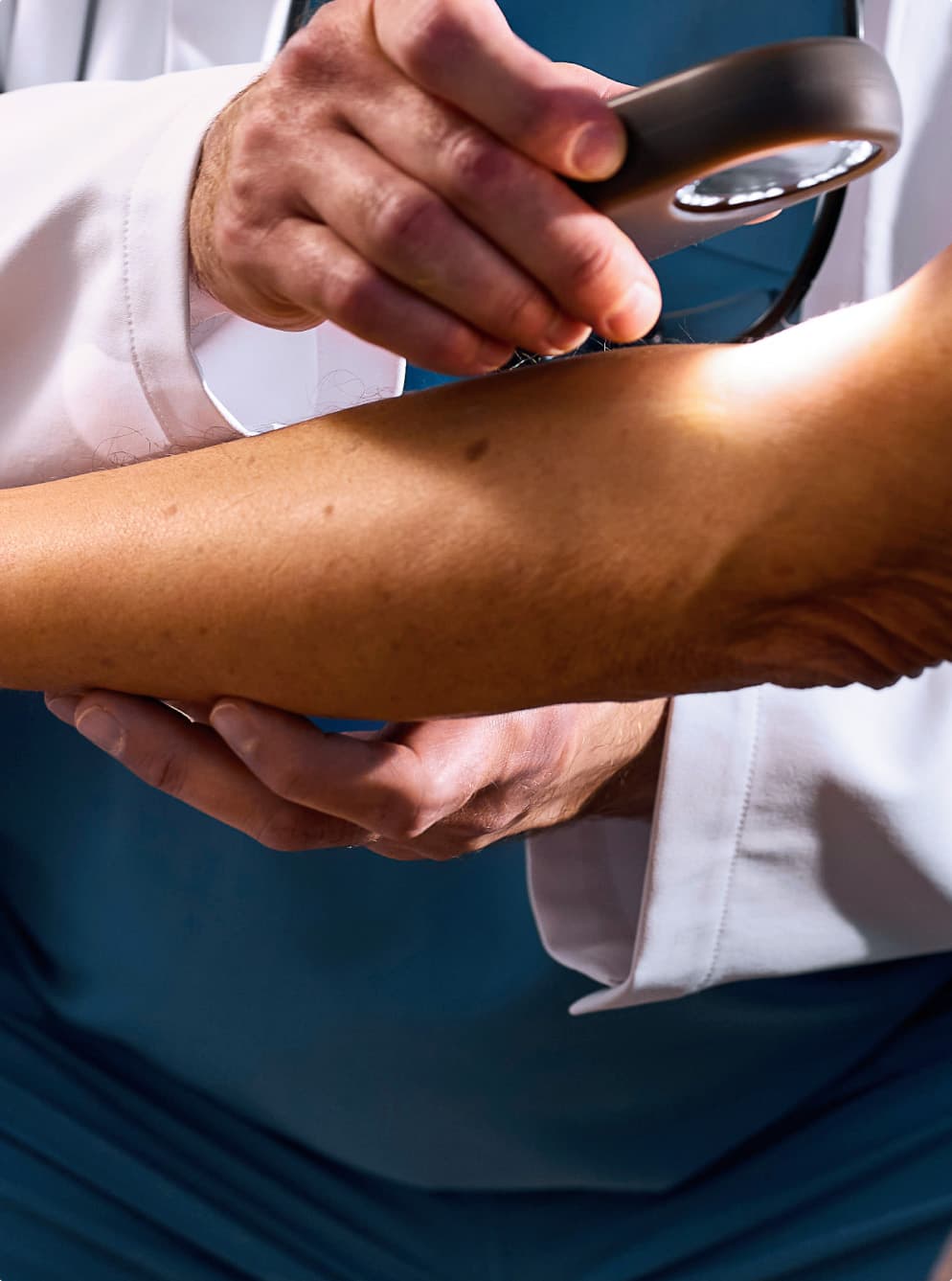

Tinea versicolor is a common fungal skin infection causing discolored patches. Pinnacle Dermatology offers expert diagnosis and effective treatment options.
Treatment availability varies by Pinnacle Dermatology location. Please contact your clinic to confirm.
Understanding and Treating Tinea Versicolor: Causes and Treatments
What could your skin discoloration mean? Perhaps it's the early signs of a certain condition? This article will help explain why your symptoms might be consistent with tinea versicolor, which is a common fungal infection of the skin, and also what to do about it.
What is Tinea Versicolor?
Tinea versicolor, also referred to as pityriasis versicolor, is a common fungal infection of the skin. This condition leads to the development of discolored patches, which can be either lighter or darker than the surrounding skin. These patches are often more noticeable after sun exposure, and are more commonly experienced by teenagers and young adults.
At Pinnacle Dermatology, our expert dermatologists treat tinea versicolor using specialized creams, shampoos, or pills that can help manage fungus as the root cause. For severe infections, stronger medications may be recommended. Scheduling a skin consultation will help you and your dermatologist determine the best tinea versicolor treatment plan tailored to your needs.
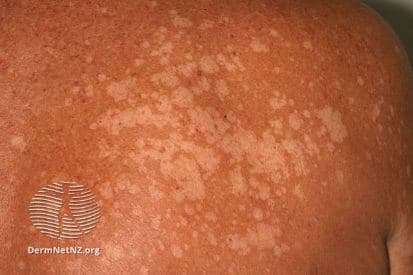
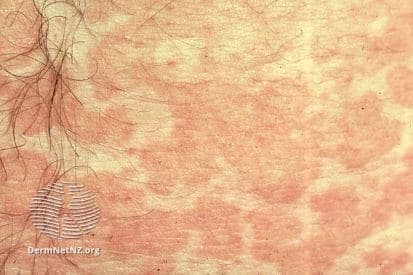
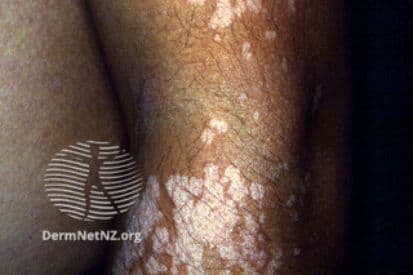
Examples of Tinea Versicolor
What are the Symptoms of Tinea Versicolor?
Patches may be pink, tan, or brown.
Can merge to form larger areas.
Tinea versicolor is more noticeable after sun exposure because the fungus inhibits the normal tanning response.
What Causes Tinea Versicolor?
Tinea versicolor is caused by an overgrowth of the yeast-like fungus (Malassezia) on the skin.
The fungus disrupts normal pigmentation, leading to the development of discolored patches on the skin.
Factors like heat, humidity, and oily skin can contribute to the overgrowth of Malassezia.
Tips on How to Prevent Tinea Versicolor
If you live in an environment that encourages the growth of fungal Malassezia, tinea versicolor prevention can keep flare-ups to a minimum. There are several practical ways to prevent tinea versicolor that you can try to keep this condition and its root cause under control. Tips for preventing tinea versicolor that you can try while you wait to see a dermatologist include:
Avoid excessive heat and humidity whenever possible.
Keep sun exposure to a minimum, and avoid other elements that can darken your skin such as tanning beds, as this can enhance discoloration.
Wear clothing that is loose, breathable, or made of wicking materials.
Avoid skin products that are oily, ideally choosing oil-free or non-comedogenic options.
Use anti-fungal shampoos and creams. When using creams, apply to clean and dry skin according to package instructions.
Complications of Tinea Versicolor
Tinea versicolor (pityriasis versicolor) is a fungal infection that mainly causes visible skin discoloration. Though not considered serious, this recurring skin issue can have some lasting effects:
Persistent Discoloration: Even after treatment, some people may notice uneven skin tone for months or years.
Emotional Impact: The noticeable patches don’t cause physical pain, but can lead to self-consciousness or social discomfort due to their appearance.
Tinea versicolor poses no long-term health risks. With the right treatment, most people eventually regain their normal skin tone.
Additional Risk Factors for Tinea Versicolor
Heat exposure from living in a warm, tropical climate as well as increased oil production can increase the risk of the overgrowth of the fungal Malassezia. Because young adults are hormonally prone to increased oil production, tinea versicolor is more prevalent for this age group.
Treatment Options for Tinea Versicolor
If tinea versicolor is diagnosed, dermatologists may prescribe oral antifungal medications. It's essential to follow the prescribed treatment regimen consistently to ensure effective resolution of the infection. To create your personalized tinea versicolor maintenance plan, schedule a consultation with Pinnacle Dermatology.
Are There Over-the-Counter Antifungal Medications That Help with Tinea Versicolor?
Whether shopping online or at the drugstore, you might find some anti-fungal products that address skin discoloration from conditions like tinea versicolor such as those containing clotrimazole, miconazole, selenium sulfide, terbinafine, or zinc pyrithione. Such active ingredients can be found in the form of creams, lotions, or shampoos.
However, these over-the-counter options are not necessarily more cost-effective than prescription medications. People with known skin conditions or allergies should always consult a doctor before trying new products.
Effectively Manage Tinea Versicolor With the Help of a Trusted Dermatologist
Skin discoloration and what to do about it can be a mystery. Is what you see a case of tinea versicolor or is it vitiligo? What can you do to make sure that its appearance doesn't interfere with your future plans? Your tinea versicolor treatment and maintenance plan starts with a conclusive diagnosis. Clear up the confusion and schedule a tinea versicolor treatment consultation with a trusted skin specialist at a Pinnacle Dermatology location near you.