
What Happens During a Total Body Skin Exam at Pinnacle Dermatology?
Published September 21, 2026
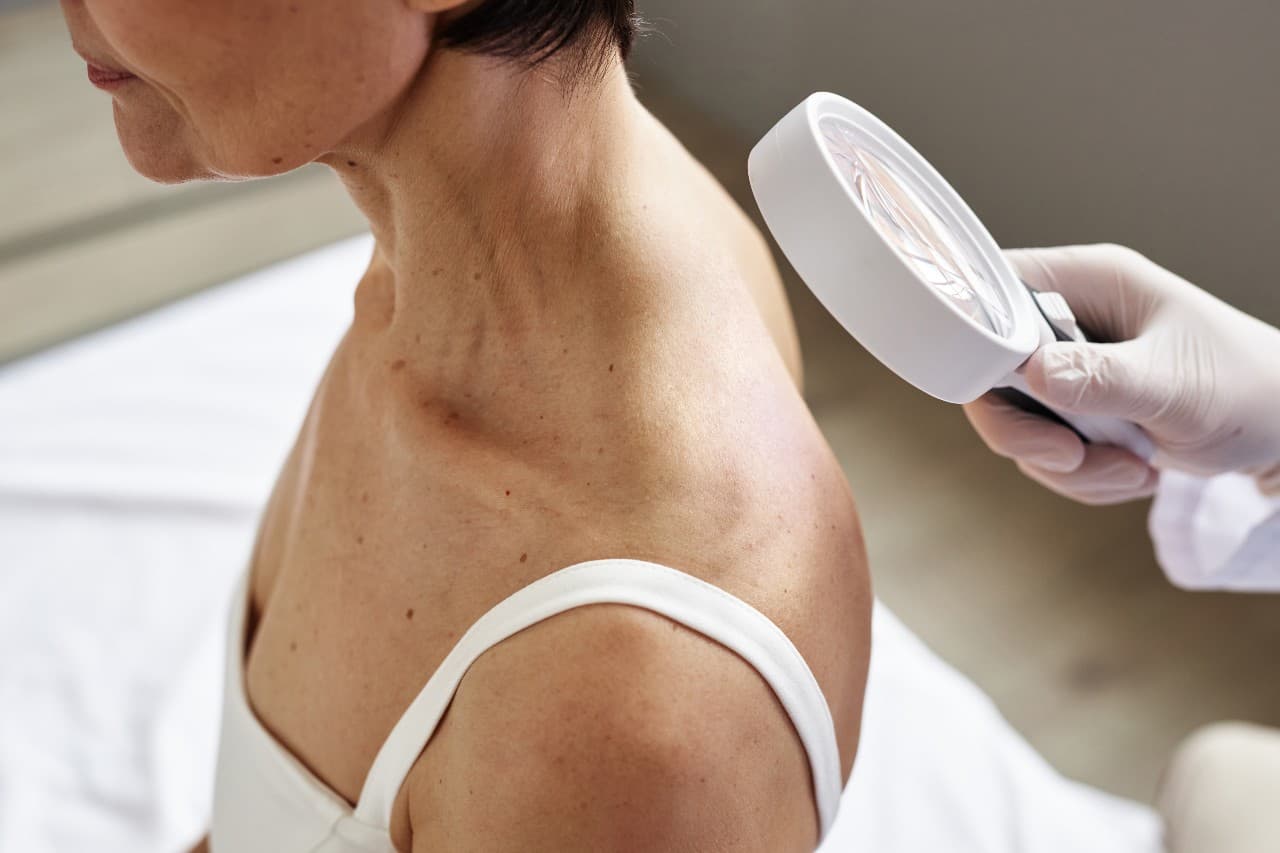
Scheduling a total body skin exam is a simple, proactive way to protect your skin and support healthy skin. If you’re wondering what happens during a total body skin exam, especially before your first skin cancer screening appointment, knowing what to expect can help you feel comfortable and prepared.
A total body skin exam is a head-to-toe check of your skin for moles, spots, growths, and other signs of skin cancer or skin conditions. An annual skin exam with a dermatologist can help identify changes that may be difficult to see on your own. Pinnacle Dermatology recommends scheduling a skin cancer screening if it’s been more than a year since your last screening or if you’ve never had a full body skin exam.
What Is a Total Body Skin Exam?
A total body skin exam, also called a TBSE, is a comprehensive skin exam performed by a dermatologist or trained dermatology provider. During the appointment, your provider examines your skin from head to toe for moles, lesions, growths, irregular spots, and signs of skin cancer.
A TBSE can also help identify other skin conditions, including acne, eczema, rosacea, psoriasis, and rashes, as well as precancerous spots and benign growths. Rather than focusing only on visible concerns, a total body skin exam is a prevention-focused appointment designed to support healthy skin from head to toe.
When Should You Schedule a Skin Cancer Screening Appointment?
It’s a good idea to schedule a skin cancer screening appointment if it has been more than a year since your last total body skin exam or if you’ve never had a full body skin exam. You should also schedule an appointment if you notice changes to your skin or have risk factors that may warrant regular screening.
You notice a new or changing mole
A spot bleeds, crusts, itches, hurts, or heals and returns
You have a sore that is slow to heal
You have many or atypical moles
You have a personal or family history of skin cancer
You have a history of blistering sunburns
You use or have previously used tanning beds
You spend significant time outdoors
It has been more than one year since your last skin cancer screening
You have never had a full body skin exam
Patients with certain risk factors may benefit from exams more often than once a year. Your dermatologist can recommend a screening schedule based on your individual skin health and risk factors.
How to Prepare Before Your Total Body Skin Exam
A little preparation can help make your appointment as thorough and efficient as possible. Before your appointment, take a few simple steps to help your provider get a clear picture of your skin and any changes you’ve noticed:
Make a list of spots, moles, or skin changes you want checked.
Note when you first noticed any changes and take photos of spots that come and go.
Bring a list of medications, allergies, and any relevant biopsy or pathology records.
Share your personal or family history of skin cancer.
Wear clothing that is easy to change in and out of.
Remove nail polish if you have concerns about changes around your nails.
Wear minimal makeup if facial spots need to be examined.
Avoid heavy lotions, body makeup, or self-tanner on the day of your appointment.
These steps help keep your skin easy to examine and give your provider a clearer picture of what has changed since your last appointment.
What Happens When You Arrive for Your Appointment?
When you arrive for your total body skin exam, you’ll check in at the front desk, confirm your personal and insurance information, and complete or review your health history. If you’re wondering what happens during a total body skin exam, be sure to let the care team know about any specific spots, moles, or skin changes you’d like your provider to examine.
The exact visit flow may vary by Pinnacle Dermatology location, but the care team will help guide you through each step so you feel informed and comfortable.
What Happens During a Total Body Skin Exam?
If you’re wondering what happens during a total body skin exam, your provider will complete a thorough, head-to-toe examination of your skin. You may change into a gown so your provider can check areas that are difficult to see on your own. During this TBSE, they’ll examine moles, freckles, growths, and other spots and may use a dermatoscope to look at skin structures more closely.
Areas commonly examined may include:
Scalp, face, ears, and neck
Chest, back, abdomen, and arms
Hands and fingernails
Legs, feet, and toenails
Any areas you’re concerned about
A dermatologist skin exam may also include documenting, photographing, monitoring, biopsying, or treating a concerning spot based on the provider’s findings. Point out anything that looks new, different, or concerning so your provider can take a closer look.
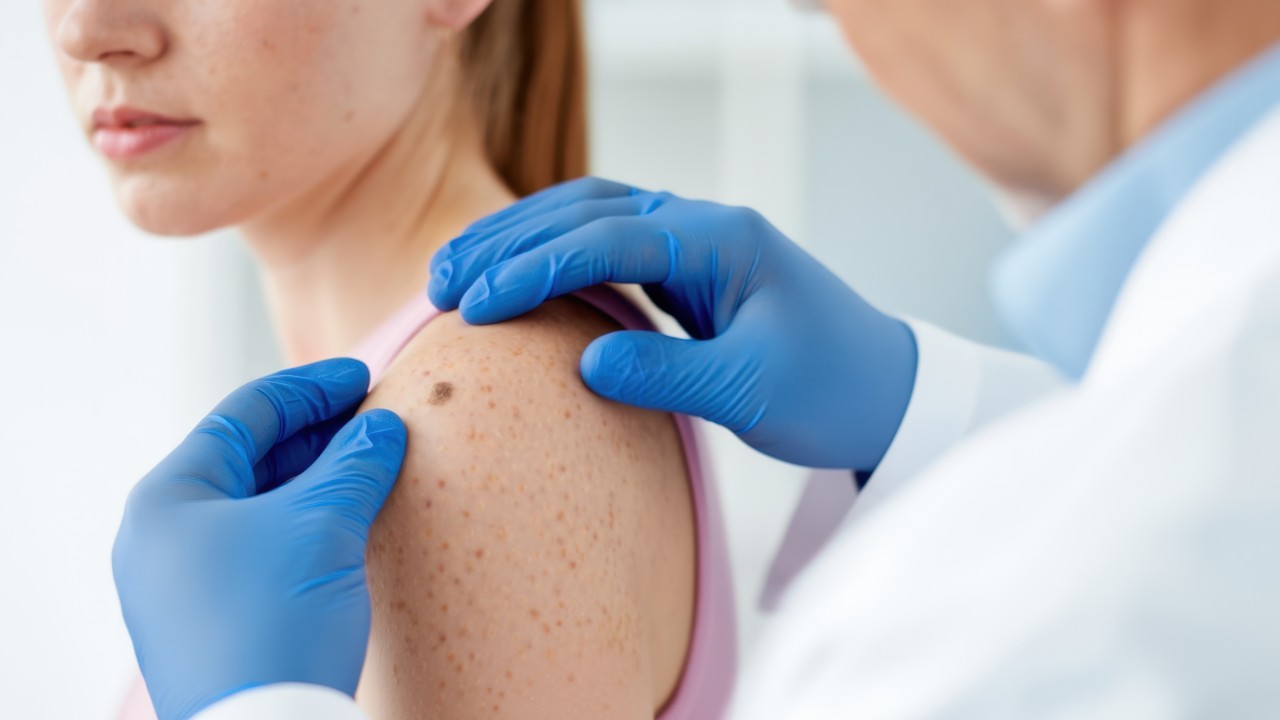
During your total body skin exam, your provider looks for signs of skin cancer and other skin conditions, including basal cell carcinoma, squamous cell carcinoma, melanoma, actinic keratosis, atypical moles, benign growths, and rashes.
They’ll pay close attention to spots that are:
New or changing
Growing quickly
Irregular in shape or border
Made up of multiple colors
Bleeding or crusting
Slow to heal or repeatedly returning
Noticeably different from other spots on your skin
These findings don’t necessarily mean a spot is cancerous. They may simply indicate that it should be monitored, treated, or tested more closely.
What Happens if the Provider Finds a Concerning Spot?
If your provider finds a concerning spot during your total body skin exam, they may document or photograph it, recommend monitoring or a follow-up appointment, or perform a biopsy. A biopsy involves removing a small sample of skin for laboratory testing.
Depending on the results, treatment may include topical medication, cryotherapy, excision, Mohs surgery, or additional follow-up care. Services vary by Pinnacle Dermatology location. Finding a concerning spot early gives your care team more information and more options.
How Long Does a Total Body Skin Exam Take?
The length of a total body skin exam can vary depending on your medical history, the number of spots or concerns to review, and whether a biopsy or treatment is recommended. First visits may take longer as your provider reviews your health history and establishes a baseline, while returning visits may include comparisons with previous notes, photos, or biopsies.
Plan enough time to discuss your questions and any skin changes you’ve noticed during your appointment.
What Happens After Your Skin Cancer Screening Appointment?
After your skin cancer screening appointment, your provider may review their findings, recommend skincare or sun protection, and provide a follow-up plan. If a biopsy was performed, you’ll receive wound care instructions and information about when to expect your results.
Even if your exam is normal, continue checking your skin regularly and practicing sun protection. Schedule your next annual skin exam based on your provider’s recommendations.
How to Check Your Skin Between Annual Skin Exams
Monthly self-checks can help you notice changes between annual skin exam appointments. Use a mirror or ask a partner to help with hard-to-see areas, and keep track of spots that look new or different. As you check your skin, keep an eye out for:
New moles or spots
Changes in size, color, or shape
Bleeding, crusting, itching, or pain
Spots that heal and return or sores that do not heal
Changes in hard-to-see areas, such as your back or scalp
Any spot that looks noticeably different from others
Schedule a Pinnacle Dermatology appointment if you notice a concerning change, even if your next annual skin exam is not due.
Who May Need Skin Exams More Often?
While an annual total body skin exam is generally recommended, some patients may benefit from more frequent appointments based on their personal risk factors. These may include:
Personal or family history of skin cancer
Many or atypical moles
History of blistering sunburns or tanning bed use
Frequent outdoor work or recreation
Fair skin that burns easily
History of precancerous spots
Weakened immune system
Common Myths About Total Body Skin Exams
“I only need a skin exam if I have a suspicious mole.”
An annual skin exam can support prevention and help establish a baseline for your skin, even when you have no obvious concerns.
“Skin cancer only appears in sun-exposed areas.”
Concerning spots can develop in areas that are difficult to see or not regularly exposed to the sun.
“Self-checks replace a dermatologist skin exam.”
Self-checks are helpful between visits, but they do not replace a professional total body skin exam.
“A Total Body Skin Exam is only for older adults.”
People of many ages can benefit from skin exams, particularly those with risk factors, significant sun exposure, or changing spots.
Questions to Ask During Your Total Body Skin Exam
Your appointment is a good opportunity to get personalized guidance. Consider asking:
Are any of my moles or spots concerning?
Should any spots be photographed or monitored?
How often should I schedule an annual skin exam?
What changes should I watch for between appointments?
Do I have sun damage or precancerous spots?
Should I schedule a follow-up appointment?
Which sunscreen is best for my skin?
Are there medical-grade skincare options that support my goals?
Finding a Skin Cancer Screening Appointment Near You
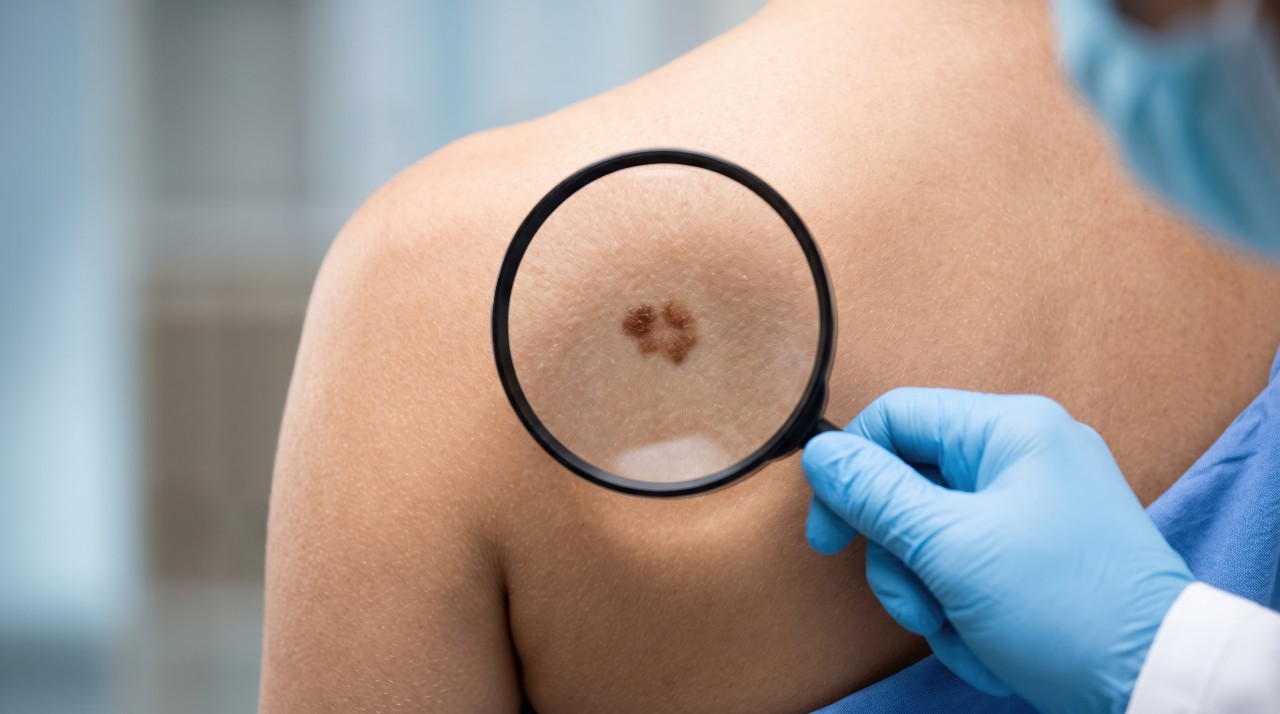
If you’re searching for a skin cancer screening appointment or an annual skin exam dermatologist near you, Pinnacle Dermatology can help you find a convenient location and schedule care. With multiple locations and experienced dermatology providers, you can choose the office that works best for you and confirm available services.
Ready to protect your skin? Schedule a Pinnacle Dermatology appointment today and take a proactive step toward healthy skin.