
Warts
Expert wart removal at Pinnacle Dermatology using freezing, medications, and laser treatments for clear, smooth skin.
Treatment availability varies by Pinnacle Dermatology location. Please contact your clinic to confirm.

Expert wart removal at Pinnacle Dermatology using freezing, medications, and laser treatments for clear, smooth skin.
Treatment availability varies by Pinnacle Dermatology location. Please contact your clinic to confirm.
What are Warts?
Warts are common skin growths caused by certain strains of human papillomavirus (HPV). They can develop anywhere on the body, including the hands, fingers, feet, and other areas. Some warts may be painless, while others can become irritated or uncomfortable.
Common types include plantar warts, flat warts, filiform warts, and common warts. If you have a wart on your finger or a wart on your foot that doesn’t go away, a dermatologist can evaluate it and recommend appropriate treatment.
Symptoms of Warts
Warts often appear as small, raised, and fleshy growths on the skin.
Some warts have tiny, black dots (clotted blood vessels) that resemble seeds.
Warts are usually painless, but they can cause discomfort, especially if located on weight-bearing areas like the soles of the feet.
Warts may appear individually or in clusters, known as mosaic warts.
Warts can be flesh-colored, pink, or slightly darker than the surrounding skin.
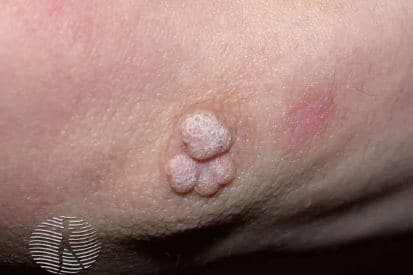
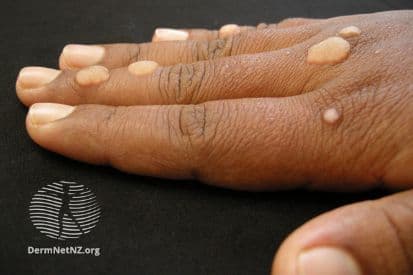
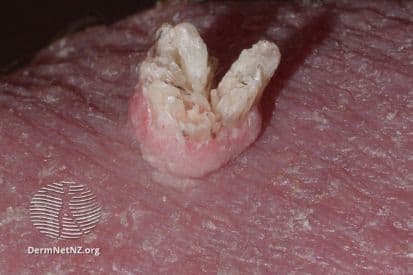
Examples of Common Warts
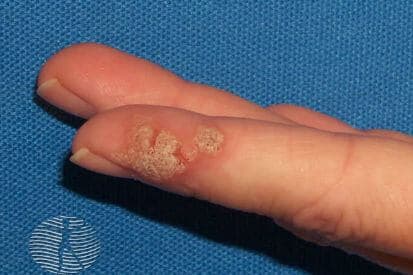
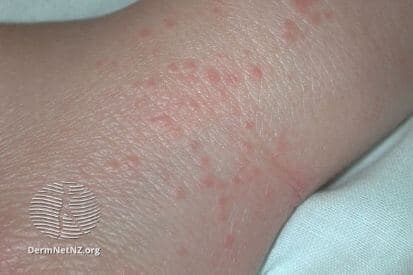

What Causes Warts?
Warts develop when certain strains of human papillomavirus (HPV) infect the outer layer of the skin. The virus can enter through small cuts, scrapes, or other breaks in the skin and spread through direct contact or contaminated surfaces.
There are several types of warts, including common warts, plantar warts, and flat warts. Factors that may contribute to developing warts include:
Exposure to HPV through direct contact
Cuts, scrapes, or breaks in the skin
Touching warts on another person or yourself
Sharing towels, shoes, or other personal items
Weakened immune defenses
Frequent exposure to damp communal areas, such as pools and locker rooms
When to See a Dermatologist for Warts
Most warts are harmless, but some may be painful, persistent, or difficult to treat. Knowing when to see a dermatologist for a wart can help you get the right evaluation and care.
A dermatologist can identify the type of wart and recommend options such as wart removal or other treatments. Book an appointment with a dermatologist at Pinnacle Dermatology if you have:
A wart that is painful, bleeding, or irritated
A wart that keeps coming back
Warts that are spreading or appearing in clusters
A wart that does not improve with at-home treatment
A wart on the face, genitals, or another sensitive area
Concerns about a wart's appearance or symptoms
Who May Benefit From Wart Evaluation?
While most warts are harmless, certain warts may benefit from evaluation by a dermatologist. Professional evaluation may be beneficial when warts are persistent, painful, spreading, or difficult to treat. This includes:
Individuals with warts that keep coming back
People with painful or irritated warts
Patients with warts that spread or appear in clusters
Individuals with warts that do not respond to at-home treatment
Children who may benefit from pediatric wart treatment
Patients interested in wart removal or plantar wart treatment
When Should You Seek Medical Care?
You should schedule a dermatology evaluation at Pinnacle Dermatology if a wart is painful, persistent, spreading, or causing concern about your skin or treatment options.
Seek medical care if a wart keeps coming back, spreads or appears in clusters, becomes painful or irritated, bleeds, or does not improve with at-home treatment. A dermatologist can also evaluate any new or unusual growths that cause concern and recommend appropriate wart removal or treatment.
What Are the Different Types of Warts?
Warts can look and feel different depending on where they develop and the type of HPV involved. Some appear as rough, raised growths, while others are smoother or grow inward beneath the skin. The most common types of warts include:
Common warts: Rough, raised growths that often develop on the hands, fingers, and around the nails.
Plantar warts: Warts that develop on the soles of the feet and may grow inward due to pressure from walking.
Flat warts: Smaller, smoother warts that may appear in larger numbers, often on the face, hands, or legs.
Filiform warts: Thin, thread-like growths that commonly develop around the face, mouth, or neck.
Why Wart Evaluation Matters
Understanding when to see a dermatologist for a wart can help you receive appropriate guidance and treatment recommendations. A dermatologist can identify the type of wart and determine whether monitoring, wart removal, or other treatment is recommended.
Whether you are concerned about a persistent wart, painful growth, or recurring warts, Pinnacle Dermatology provides expert evaluations and personalized care.
Treatment Options for Warts
Many common warts disappear over the course of a few years without treatment; however, due to their unsightly appearance, many people opt to have them removed through destruction techniques including but not limited to:
Cryotherapy (freezing): uses liquid nitrogen to freeze and destroy the wart. May require multiple treatments.
Minor surgery: Wart tissue is cut away surgically and the area is cauterized (burned).
Topical treatment of medications or films.
Injections to stimulate the body's immune system to fight the virus, and others.
Our skin experts can help you determine the best path for wart removal. Scheduling with one of our providers is recommended to help you start your healthy skin journey.
FAQs for Warts

How Pinnacle Dermatology Can Help
If you’re experiencing a skin concern, a consultation with one of our providers is a great first step. Our team will assess your skin condition, discuss what may be causing your symptoms, and help you feel informed and confident about your path to healthier skin.