
Pityriasis Rosea
Expert care for pityriasis rosea's distinctive rash and herald patch. At Pinnacle Dermatology, our dermatologists provide accurate diagnosis and effective treatment.
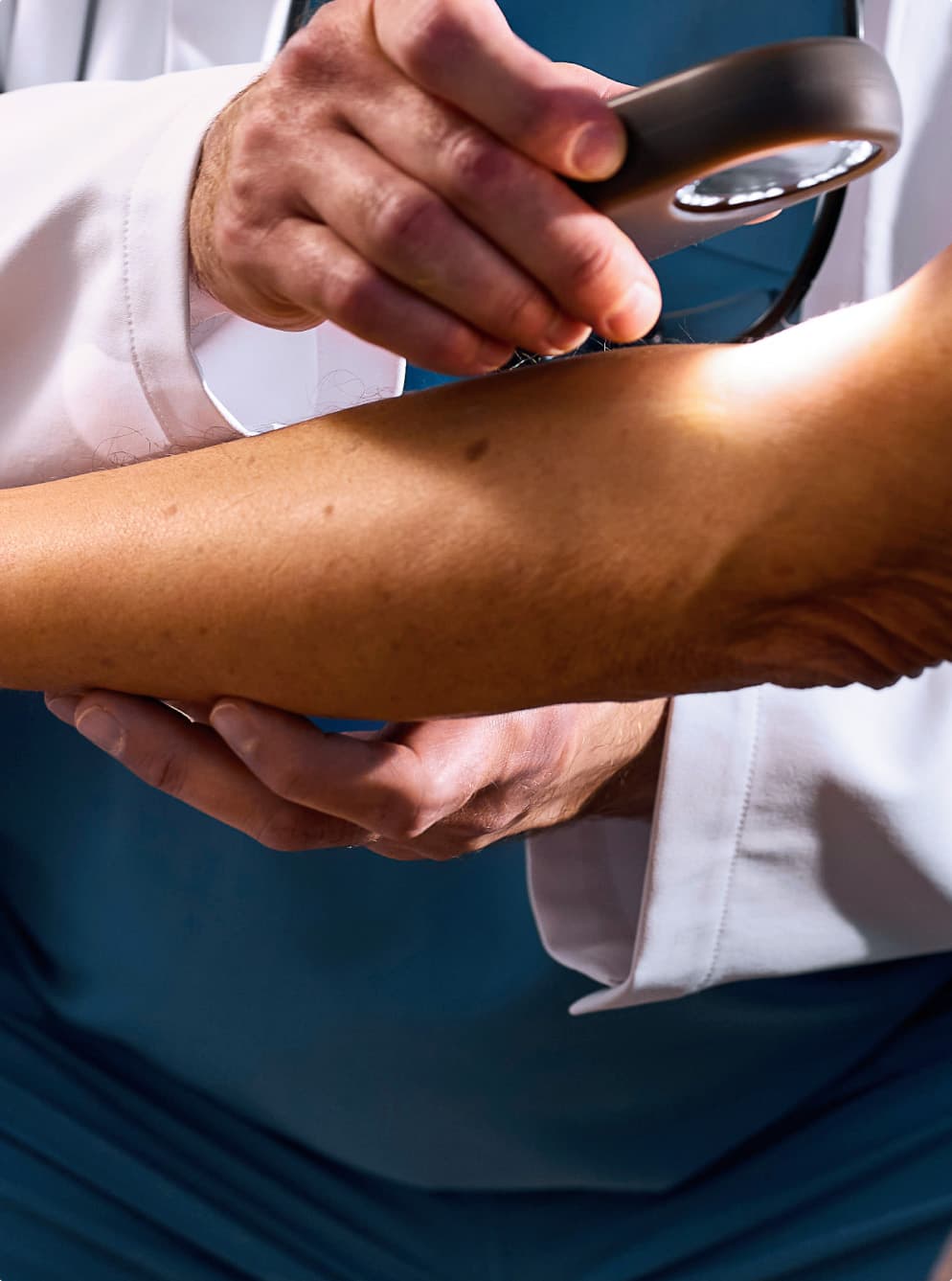

Expert care for pityriasis rosea's distinctive rash and herald patch. At Pinnacle Dermatology, our dermatologists provide accurate diagnosis and effective treatment.
Pityriasis rosea is a common, benign skin condition characterized by a rash that often starts as a single, large pink or red patch, known as a "herald patch," followed by smaller, scaly, oval-shaped lesions spreading across the body. Our dermatologists can help diagnose and treat this condition. Consulting with the skin experts at Pinnacle Dermatology can put you on a path to healthy skin.
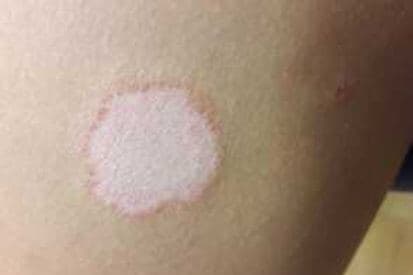
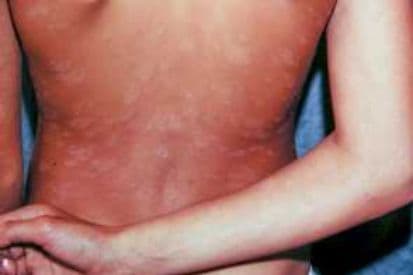
Examples of Pityriasis Rosea

What are the Symptoms of Pityriasis Rosea?
Pityriasis rosea manifests in a distinct sequence, often beginning with a unique oval, slightly raised, and scaly herald patch.
A common pattern involves initial symptoms such as headache fatigue, fever, or sore throat, typically lasting 1 or 2 days, followed by the appearance of smaller skin patches or bumps on the skin.
Some individuals may exhibit a few large patches without preceding illness symptoms.
Causes of Pityriasis Rosea
Pityriasis rosea's exact cause is unclear, but it's considered a viral infection.
There is a potential association with a herpesvirus; however, the exact virus responsible has not been identified. It is not contagious and unrelated to fungal or bacterial infections.
Factors like genetics and the environment may contribute to this condition as well.
How to Prevent Pityriasis Rosea
To prevent Pityriasis Rosea, adopt the following measures to minimize the risk of exposure to potential triggers and maintain overall skin health. While the exact cause remains uncertain, and complete prevention may not be guaranteed, the following strategies can be helpful:
Maintain Good Hygiene: Regular and gentle cleansing of the skin can help mitigate potential irritants and promote overall skin health.
Moisturize: Keeping the skin well-moisturized may help in preventing excessive dryness and potential irritation.
Avoid Triggers: Identify and avoid potential triggers, although these are not well-established. This may include exposure to certain viruses or environmental factors.
Sun Protection: As excessive sun exposure has been suggested as a trigger, practicing sun-safe habits, such as using sunscreen, wearing protective clothing, and seeking shade, may be beneficial.
Immune System Support: Strengthening the immune system through a healthy lifestyle, balanced diet, and regular exercise may contribute to overall well-being.
As Pityriasis Rosea's exact cause remains uncertain, these preventive measures are focused on maintaining overall skin and immune system health. Schedule an appointment with one of our dermatology providers for proper diagnosis, guidance and an individualized treatment plan.
FAQs about Pityriasis Rosea
How to Treat Pityriasis Rosea
Treatment for pityriasis rosea centers on symptom management, typically resolving on its own.
Over-the-counter antihistamines and mild topical steroids like hydrocortisone provide relief from itching and inflammation.
Keeping the skin moisturized with fragrance-free lotions is recommended, and avoiding irritants and excessive sun exposure is crucial.
In severe cases, dermatologists may suggest UVB phototherapy or prescribe prescription medications such as oral antihistamines or stronger topical steroids for intense itching.
While pityriasis rosea is generally self-limiting, we recommend visiting one of our trusted skincare for a professional diagnosis and personalized treatment plan.