
Folliculitis
Folliculitis causes red, itchy bumps from infected hair follicles. At Pinnacle Dermatology, our expert providers offer effective treatments for clearer, healthier skin.
Treatment availability varies by Pinnacle Dermatology location. Please contact your clinic to confirm.

Folliculitis causes red, itchy bumps from infected hair follicles. At Pinnacle Dermatology, our expert providers offer effective treatments for clearer, healthier skin.
Treatment availability varies by Pinnacle Dermatology location. Please contact your clinic to confirm.
What is Folliculitis?
Folliculitis is a common hair follicle infection that causes red bumps, itchiness, and sometimes pus-filled blisters. It often develops in areas prone to friction or hair removal, such as the face, neck, thighs, and buttocks. This condition can result from bacterial or fungal infections, irritation from shaving, or tight clothing.
At Pinnacle Dermatology, our expert providers offer targeted treatments to relieve discomfort, prevent recurrence, and restore your skin's health. Read on to learn more about folliculitis and how we can help you achieve clearer, healthier skin.
What are the Symptoms of Folliculitis?
Folliculitis can cause discomfort and irritation, affecting areas where hair follicles become inflamed or infected. If you're experiencing the following folliculitis symptoms, Pinnacle Dermatology can offer expert care to diagnose and treat a hair follicle infection.
Itchy or painful bumps around hair follicles
Clusters of red bumps or pus-filled blisters
Red, inflamed, or tender skin
Persistent itchiness or soreness
Possible scarring after the infection clears
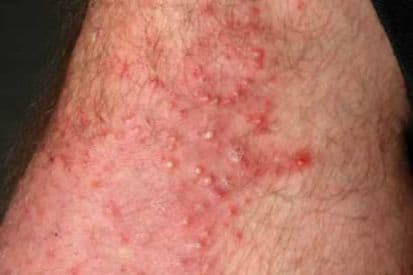
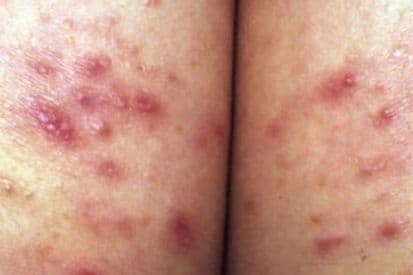
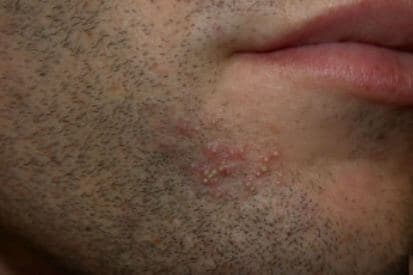
Examples of Folliculitis
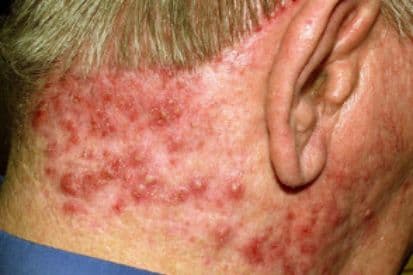
Causes of Folliculitis
Certain lifestyle factors and skin conditions can increase the risk of developing this hair follicle infection, leading to discomfort and potential complications. Understanding these causes is essential for preventing folliculitis and reducing flare-ups. Common causes of folliculitis may include:
Shaving, which can cause irritation or ingrown hairs
Friction from tight clothing
Excessive sweating, especially in humid conditions
Skin inflammation from underlying conditions like eczema
Skin injuries that allow bacteria to enter the follicles
Non-breathable materials, such as adhesive tape on the skin
Bacterial, viral, or fungal infections
How to Prevent Folliculitis
At Pinnacle Dermatology, our team of skin experts offers a range of preventive strategies to help individuals avoid a hair follicle infection. By incorporating dermatologist-approved strategies into your skincare routine, individuals can obtain healthier, more resilient skin.
Gentle Shaving Techniques: Use a sharp, clean razor and shave in the direction of hair growth with minimal pressure to reduce irritation.
Maintaining Skin Hygiene: Cleanse the skin regularly with mild, fragrance-free soap to remove potential irritants and bacteria.
Avoiding Tight Clothing: Wear loose, breathable fabrics to minimize friction and allow the skin to breathe.
Proper Wound Care: Treat cuts, scrapes, or skin injuries promptly to prevent bacterial infections that may lead to folliculitis.
Hydration and Moisturization: Keep the skin well-hydrated with dermatologist-recommended moisturizers to maintain a strong skin barrier.
Folliculitis Treatment
At Pinnacle Dermatology, we take a multifaceted approach to effectively treat folliculitis, customizing the treatment plan to fit each patient's unique circumstances. Common treatment modalities include:
Topical antibiotics or antifungals: For mild cases, topical antibiotics or antifungal creams may target the bacterial or fungal infections causing folliculitis.
Oral medications: In more severe or recurrent cases, oral antibiotics or antifungal medications may be recommended.
Corticosteroids: Topical or oral corticosteroids may help reduce redness, inflammation, and itching.
Laser therapy: Dermatologists may use laser therapy for chronic or recurrent folliculitis.
Folliculitis FAQs

How Pinnacle Dermatology Can Help
If you’re experiencing a skin concern, a consultation with one of our providers is a great first step. Our team will assess your skin condition, discuss what may be causing your symptoms, and help you feel informed and confident about your path to healthier skin.