
Blisters
Blisters are fluid-filled skin lesions caused by friction, injury, or underlying conditions. At Pinnacle Dermatology, our dermatologists provide expert diagnosis and care.
Treatment availability varies by Pinnacle Dermatology location. Please contact your clinic to confirm.
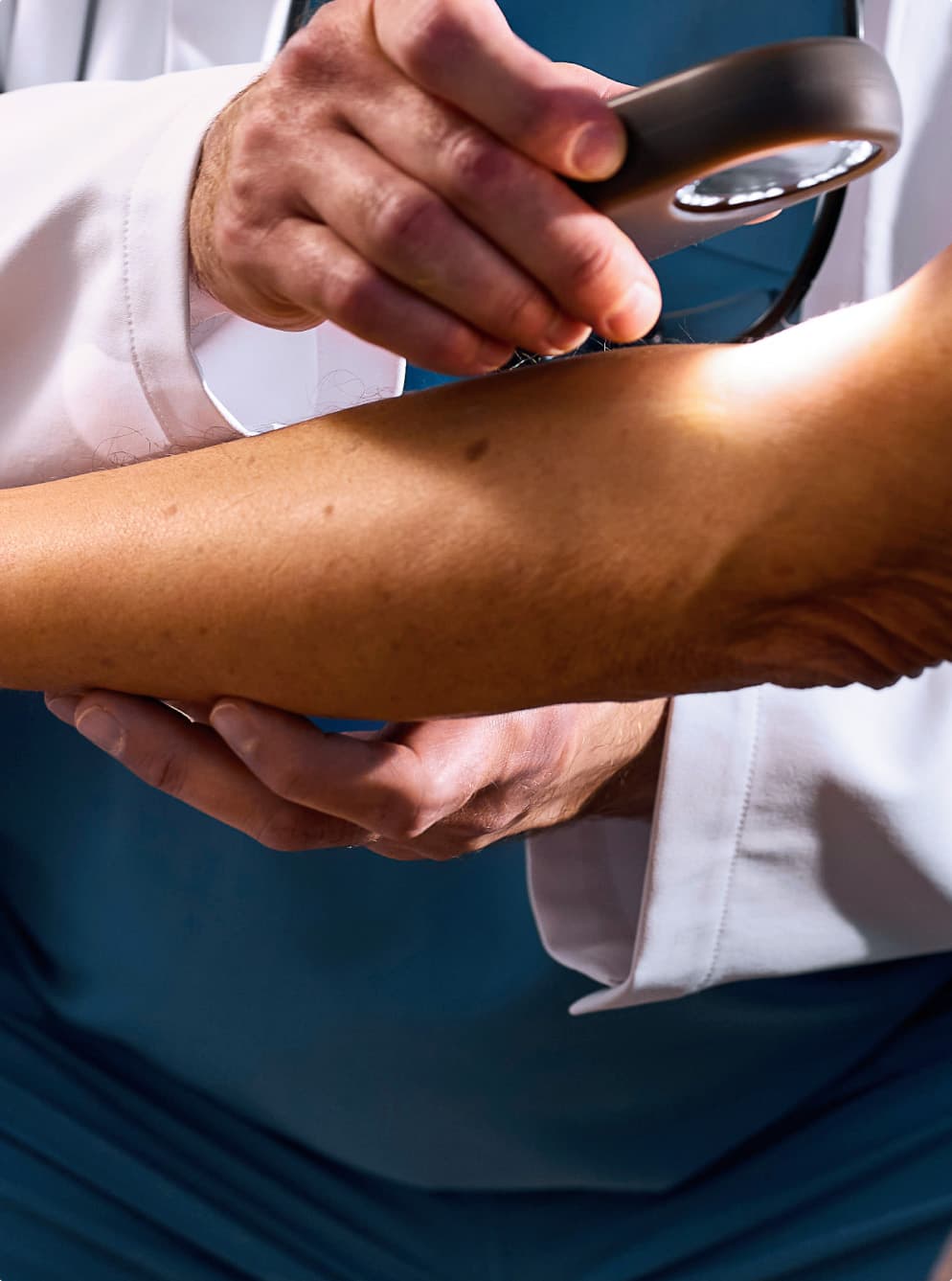

Blisters are fluid-filled skin lesions caused by friction, injury, or underlying conditions. At Pinnacle Dermatology, our dermatologists provide expert diagnosis and care.
Treatment availability varies by Pinnacle Dermatology location. Please contact your clinic to confirm.
What are Blisters?
Blisters are soft, fluid-filled areas of skin that often result from injury or friction, forming localized bubbles filled with clear or bloody fluid. These types of blisters are typically specific to the affected area and are a response to physical stress or irritation. Blisters can also be associated with underlying medical conditions, appearing either in isolated regions or affecting the entire body. At Pinnacle Dermatology, our dermatologists approach blister treatment based on the underlying cause and severity of your condition. Whether your blisters are due to friction or a more complex medical issue, our experts are here to help. If you’re suffering from painful skin irritations, schedule a consultation with our skilled providers. Our team will advise on proper care and monitoring to ensure your blisters heal effectively without complications. Contact us today to book your appointment and start your journey towards healthier skin.
What are the Symptoms of Blisters?
Blisters appear as a fluid-filled sac or bubble on the skin.
Pain or tenderness at the blister site.
Redness or inflammation around the blister.
Possible swelling or warmth around the blister.
Sensitive or tingling sensation before the blister appears.
Examples of Blisters
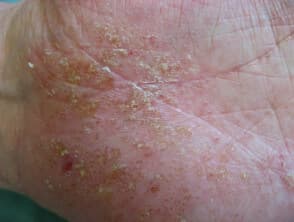
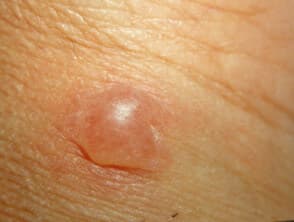
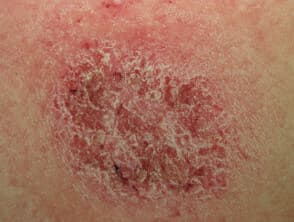
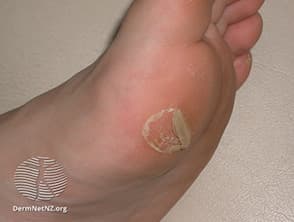
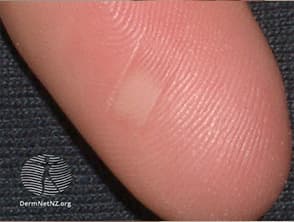
Causes of Blisters
Blisters often result from friction, especially when fabric repeatedly rubs against the skin.
They can form in response to a chemical or allergic irritant, a condition known as contact dermatitis.
How to Prevent Blisters
Preventing blisters is achievable by eliminating the irritant and adopting simple preventive measures. Ensure comfort and minimize the risk of blisters by following these practical tips:
Avoid Tight Clothing: Opt for well-fitting clothing to prevent unnecessary friction. Choose breathable fabrics that reduce moisture and heat, decreasing the likelihood of blister formation.
Properly Fitting Footwear: Wear shoes that fit correctly, providing ample space for your toes. Opt for moisture-wicking socks to keep your feet dry during physical activities.
Use Work Gloves: When engaging in heavy manual work, wear appropriate work gloves. Gloves protect your hands from friction, pressure, and irritants, reducing the risk of blisters.
Identifying and Avoiding Irritants: This is crucial in preventing the occurrence of contact dermatitis-induced blisters.
By incorporating these practices into your daily routine, you can minimize the potential for blisters and enhance overall comfort.
Blister Treatments
Dermatologists employ effective treatments for blisters, addressing the cause and promoting rapid healing. From specialized topicals to expert drainage techniques, they ensure personalized care. Although medical intervention is not always needed to treat blisters, we recommend you do not pop your blisters at home as that can cause infection. If a blister does open on its own, be sure to leave the covering in place to support further healing. Simply wash the area gently with mild soap and water, pat it dry and apply an antibacterial ointment. Cover the blister with bandage to keep it clean. Replace the dressing at least once a day. If your blisters are recurring, don't endure discomfort—schedule a dermatology appointment promptly for relief and optimal recovery.