
Back-to-School Acne: Dermatologist Tips for Teens and Parents
Published September 21, 2026
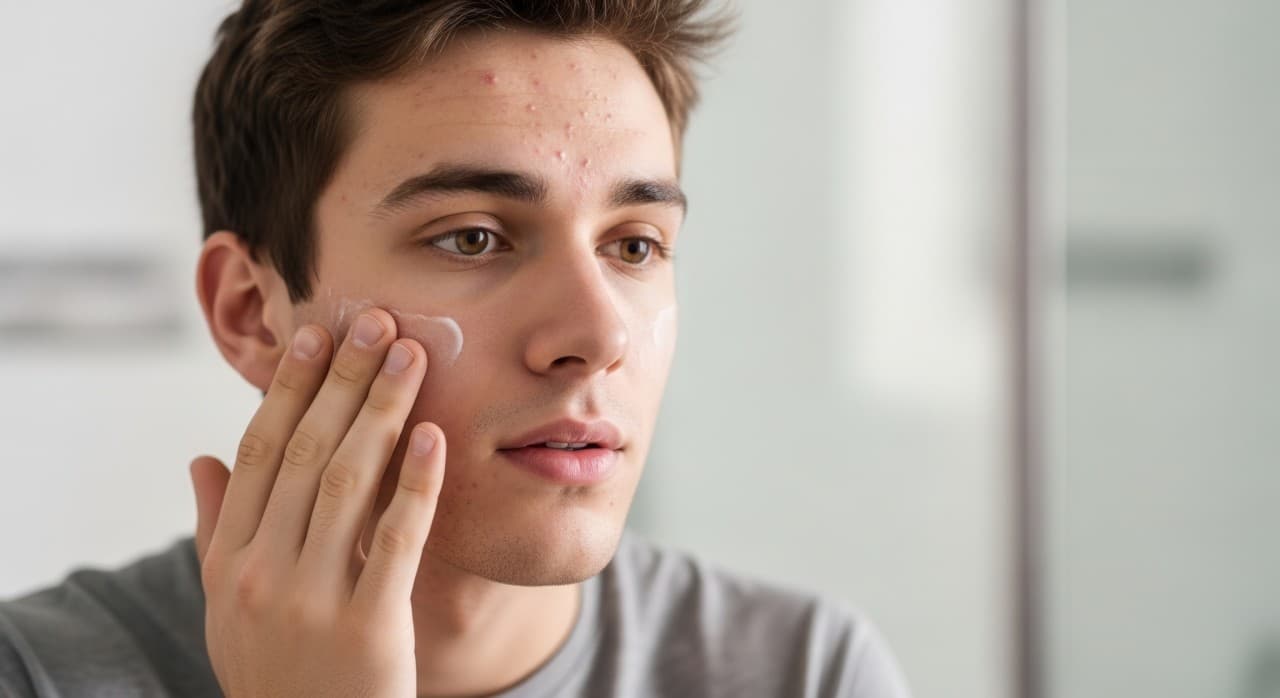
Back-to-school acne can feel like an added stress when the new school year brings classes, school photos, sports, clubs, and social events. While teenage acne is common and treatable, busy schedules and changing habits can make breakouts more noticeable. A simple, consistent approach and the right acne treatment for teens can help support healthy skin and confidence.
In this guide, we’ll cover why acne may flare during the school year, dermatologist tips for teen acne treatment, back-to-school skincare, and when it’s time to see a dermatologist. With Pinnacle Dermatology, you can start the school year feeling smooth, confident, and ready.
Why Back-to-School Acne Happens
The transition back to school can bring several changes that affect your skin. Earlier mornings, school stress, sports, and changing habits can all contribute to breakouts.
Common triggers include:
Stress and changes in sleep schedules
Sweat from sports and physical activity
Friction from helmets, chin straps, uniforms, backpacks, or masks
More frequent makeup use
Hair products touching the face, neck, or back
Less consistent skincare
Breakouts may appear on the forehead, nose, chin, cheeks, jawline, chest, back, or shoulders. Stress may worsen acne, while tight clothing and sports equipment can aggravate breakouts when they press against the skin.
In short, back-to-school acne is often a mix of hormones, stress, sweat, friction, and product choices. Identifying your triggers can help you build healthier habits and support smoother skin throughout the school year.
What Causes Teen Acne?
Teenage acne develops when pores become clogged with oil, dead skin cells, and bacteria. Hormonal changes during the teen years can increase oil production, making breakouts more likely. Back-to-school acne can include:
Blackheads and whiteheads
Small red or inflamed bumps
Pustules
Nodules or cysts
Acne can range from mild clogged pores to more frequent or painful breakouts. A dermatologist at Pinnacle Dermatology can identify the type and severity of acne and recommend an acne treatment for teens based on their skin.
When Should Parents Schedule an Appointment for Teen Acne?
Parents don’t need to wait until acne becomes severe to seek professional help. If breakouts are affecting your teen’s skin, confidence, or daily life, a visit with a dermatologist for teenage acne can provide a clear plan and reduce the guesswork. Consider scheduling an appointment if:
Breakouts are painful, inflamed, or cystic
Acne is leaving dark spots or scars
Over-the-counter products aren’t helping
Acne affects confidence, school, sports, or social activities
Breakouts appear on the chest, back, or shoulders
Your teen is trying multiple products without seeing improvement
Acne causes embarrassment, frustration, or avoidance of activities
Breakouts return quickly after improving
If acne continues despite consistent care, a dermatologist can recommend targeted treatment options based on your teen’s skin. Getting started early can help support healthier, smoother-looking skin throughout the school year.
Dermatologist Tips for Back-to-School Acne
A few simple habits can make back-to-school acne easier to manage. The goal is to keep your skincare simple, choose products carefully, and give treatments time to work. These dermatologist tips can help teens build an effective teen skincare routine without overcomplicating things.
Keep the Skincare Routine Simple
A simple approach can help keep skin balanced without overwhelming it. Start with a gentle cleanser, use acne treatment as directed, follow with a lightweight moisturizer, and apply broad-spectrum sunscreen during the day.
Choose Acne-Friendly Products
Look for products labeled non-comedogenic or oil-free, which are less likely to clog pores. If your skin is sensitive, fragrance-free and lightweight products may also be a good choice. The American Academy of Dermatology recommends choosing makeup, sunscreen, skincare, and hair-care products labeled “non-comedogenic” or “won’t clog pores.”
Give Treatment Enough Time
Acne treatment works best with consistent use. It can take several weeks to see improvement, so avoid switching products too often unless your dermatologist recommends it. Giving your treatment time to work can help you make better progress.
Avoid Harsh Scrubbing
Scrubbing harder won’t make acne disappear faster. Gentle cleansing helps protect the skin barrier and can reduce unnecessary irritation. Be kind to your skin, especially when breakouts are already inflamed.
Clean Items That Touch the Face
Every layer counts when it comes to exceptional skin care, including the items that regularly touch your skin. Clean these items regularly to help remove oil, sweat, and buildup:
Pillowcases
Phone screens
Makeup brushes
Sports helmets and chin straps
Headbands
Towels
A Simple Teen Skincare Routine for School Days
A consistent back-to-school acne routine can help teens manage breakouts while keeping skin healthy and comfortable. The key is to keep each step simple and avoid overloading your skin with too many products.
Morning Routine
Start the day with a gentle cleanse, followed by acne treatment if directed by a dermatologist. Finish with a lightweight, non-comedogenic moisturizer and broad-spectrum sunscreen. If you wear makeup, choose non-comedogenic products that won’t clog pores.
After School or Sports
Sweat and athletic gear can contribute to breakouts, so give your skin some attention after practices and games. Rinse or gently cleanse your face, change out of sweaty clothing, and wash areas that were covered by helmets, chin straps, or other equipment. Use a clean towel and moisturize if your skin feels dry or tight.
Evening Routine
Before bed, gently cleanse to remove sunscreen, sweat, oil, and makeup. Apply your prescription or over-the-counter acne treatment as directed, then moisturize to support the skin barrier. Keep hair products away from acne-prone areas and change pillowcases regularly to help keep your skin clean.
Finding the Right Teen Acne Treatment
The right teen acne treatment depends on several factors, including the type and severity of acne, skin sensitivity, age, medical history, and lifestyle. A dermatologist can evaluate your teen’s skin and create a treatment plan tailored to their needs. Options may include:
Benzoyl peroxide to help reduce acne-causing bacteria and inflammation
Salicylic acid to help unclog pores
Topical retinoids to prevent clogged pores and new breakouts
Topical antibiotics when appropriate
Oral antibiotics for some moderate to severe acne
Hormonal treatments for some patients
Isotretinoin for severe, persistent, or scarring acne when appropriate
In-office procedures when recommended
Medical-grade skincare to support an overall treatment plan
Acne treatment is often a step-by-step process rather than a quick fix. Follow-up appointments allow your dermatologist to see how your skin is responding and adjust your treatment plan as needed, helping you work toward healthier, smoother-looking skin.
Acne Tips for Student Athletes

Sports can be great for your health and confidence, but sweat, heat, friction, and equipment can contribute to breakouts. For athletes worried about back-to-school acne, try these simple tips:
Cleanse after practice or games to remove sweat and buildup.
Change out of sweaty clothing as soon as possible.
Wash uniforms, towels, headbands, and pillowcases regularly.
Wipe down helmets, chin straps, and pads when practical.
Choose non-comedogenic sunscreen for outdoor sports.
Mention chest, back, or shoulder acne during a dermatology appointment.
Makeup, Sunscreen, and Hair Products for Acne-Prone Teens
Everyday products can affect acne-prone skin, especially when formulas are heavy or oily. Choosing the right products and keeping them clean can help support healthy skin as part of your back-to-school skincare routine.
Product Label Terms to Look For
Look for labels such as:
Non-comedogenic
Oil-free
Non-acnegenic
Won’t clog pores
Fragrance-free for sensitive skin
Makeup Tips
If makeup is part of your routine, a few simple habits can help:
Remove makeup before bed.
Wash brushes and sponges regularly.
Replace old makeup.
Choose lightweight, acne-friendly formulas.
Sunscreen Tips
Sunscreen is an important part of exceptional skin care, even for acne-prone skin. Choose a broad-spectrum, non-comedogenic sunscreen, and consider a lightweight or gel-based formula if your skin tends to feel oily. The American Academy of Dermatology recommends non-comedogenic sunscreen for acne-prone skin.
Hair Product Tips
Hair products can transfer to the skin and contribute to clogged pores. Keep oils, gels, pomades, and leave-in conditioners away from the forehead and cheeks, and wash your hair regularly if excess oil seems to contribute to breakouts.
Simple Swaps for Clearer Skin All School Year Long
The American Academy of Dermatology notes that scrubbing, popping pimples, using pore-clogging products, switching treatments too often, and tanning can worsen acne. Every layer counts, so simple, consistent choices can help support healthy skin. Try these simple swaps to build healthier habits and support smoother-looking skin throughout the school year:
Swap harsh scrubs for gentle cleansing
Swap picking or squeezing pimples for provider-recommended spot care
Swap several new products at once for a consistent routine
Swap pore-clogging makeup for non-comedogenic formulas
Swap sleeping in makeup for a quick evening cleanse
Swap reused sports towels for clean towels
Swap heavy hair oils near the face for acne-friendly styling habits
How Parents Can Support Teens with Acne
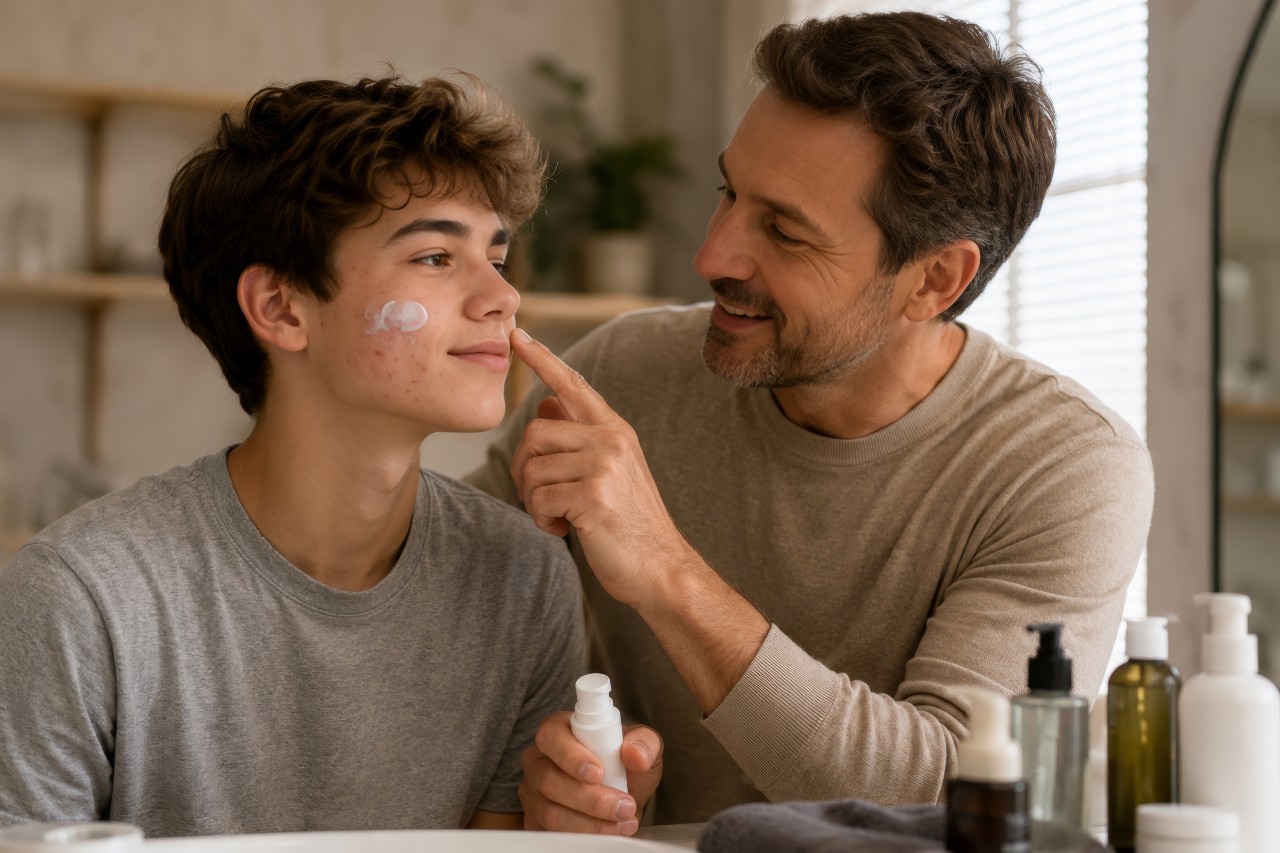
Teen acne can feel personal, so support, patience, and encouragement can make care feel more manageable. Ask how your teen feels about their skin, offer to schedule an appointment, and help simplify product choices when needed. Encourage consistency rather than perfection, celebrate progress, and focus on healthy skin and confidence. For busy families balancing school, sports, homework, and social activities, a simple approach is often easier to maintain.
What to Expect at a Teen Acne Appointment
A dermatology appointment is designed to understand your teen’s acne and create a practical treatment plan that fits real school days. The provider may ask about when acne started, where breakouts occur, current skincare and products, sports and sweating, treatments already tried, family history, medications, and allergies. They may also examine the face, neck, chest, back, and shoulders to assess acne type and severity. The visit may include product guidance, prescription recommendations, and a follow-up plan.
What to Bring to an Acne Appointment
Coming prepared can make the appointment more helpful. Consider bringing:
Photo ID and insurance card
Medication and allergy lists
Current skincare products or photos of product labels
Names of acne treatments already tried
Photos of flare-ups if breakouts change over time
Notes about sports gear, helmets, straps, or uniforms
Questions from both the teen and parent
Helpful questions to ask include:
What type of acne do I have?
What should I use in the morning and at night?
How long will treatment take to show results?
What should I do if my skin becomes dry or irritated?
Which moisturizer or sunscreen is best for my skin?
Should we schedule a follow-up appointment?
When to Schedule a Pinnacle Dermatology Appointment
If acne is painful, affecting your teen’s confidence, leaving marks or scars, or hasn’t improved with over-the-counter products, it may be time to seek professional care. Schedule a Pinnacle Dermatology appointment to help your teen build a practical acne treatment plan and start the school year with healthier, more confident skin.